KNX vs RCU for Hotel Room Control
A neutral architecture comparison for hotel owners, consultants, contractors, and integrators deciding how KNX and RCU approaches fit project requirements.
Overview
This guide is designed for Hotel owner, System integrator, Contractor, Distributor, OEM/ODM buyer teams preparing early product selection, project quotation, and document review for hotel room control and automation projects.
What Is an RCU-Based Hotel Room Control System
An RCU, or room control unit, is a room-level controller or control-host approach commonly used to coordinate guest-room functions. Depending on the product and design, the room scope may include lighting circuits, HVAC, curtains, panels, door status, service indicators, occupancy inputs, and selected power functions. The RCU can centralize room inputs and outputs or participate in a wider distributed design.
RCU is an architecture and product-category description, not one universal communication protocol. Different hosts can use different wiring, panel connections, interfaces, software, gateways, and central monitoring methods. Buyers must review the exact RCU, connected devices, and project design rather than assume that all RCU systems interoperate.
An RCU-based room can also operate with a defined degree of room-level independence. How it reports to central systems, exchanges commands, or integrates with PMS, BMS, KNX, Modbus, BACnet, or another platform depends on confirmed product capability and project engineering. DualCoreLink products should not be described as natively supporting an interface unless the exact model and scope are verified.
What Is KNX in Hotel Room Control
KNX is a standardized building automation protocol ecosystem used across residential and commercial applications. In a hotel, a KNX design can connect compatible devices for lighting, shading, HVAC, sensing, room operation, and supervisory functions according to the selected topology, device capabilities, engineering tools, and system design.
A KNX label does not by itself define the complete hotel solution. Device certification or capability, application programs, topology, power supplies, line design, addressing, commissioning, gateways, visualizations, room logic, and integration responsibilities still need to be specified. Local engineering skills and long-term access to project files are important parts of the operating model.
This comparison treats KNX as a protocol ecosystem and RCU as a common hotel room controller or architecture approach. They are not exact opposites: an RCU design may use a gateway or verified interface, and a KNX project can still use room-level controllers or logic modules. The actual architecture matters more than the label.
Key Architectural Differences
Compare a proposed KNX and RCU design from drawings, schedules, product data, and responsibility matrices. Broad claims such as one is always simpler, cheaper, or more flexible are not reliable without a defined project scope.
Control Structure
An RCU proposal often organizes functions around a room control host and its connected inputs, outputs, panels, and sensors. A KNX proposal may distribute functions among bus devices and application logic. Either design can include central supervision, room-level logic, gateways, or additional controllers depending on the specification.
Wiring Approach
RCU wiring can bring room circuits and control signals to a cabinet or host, while panel and sensor wiring follows the selected product system. KNX uses its specified bus arrangement alongside power circuits. Cable type, separation, topology, protection, containment, and local rules must be designed by qualified engineers for the actual installation.
Device Communication
KNX communication follows the KNX ecosystem for compatible devices. RCU-connected devices may use dry contacts, dedicated buses, serial links, network links, or manufacturer-specific methods. The precise interface must be confirmed model by model; visual similarity does not prove communication compatibility.
Room-Level Independence
Both approaches can be designed so essential room functions continue without a central server, but this depends on where logic resides and how failures are handled. Ask what happens if the network, gateway, central software, room host, bus power, or individual device fails.
Central Monitoring
Central monitoring requires defined points, interfaces, software, network, permissions, and ownership. Neither an RCU nor KNX label guarantees PMS or BMS integration. Confirm whether the hotel needs viewing, alarms, commands, trends, room status, or another data exchange.
Engineering and Commissioning
KNX commissioning typically needs appropriate tools, device application knowledge, addressing, and access to project files. RCU commissioning needs the selected host, I/O logic, connected-device setup, room testing, and any gateway or central software configuration. Compare local skills, documentation, test scope, and support ownership for both proposals.
Related planning reference: Hotel RCU Wiring and System Architecture Guide.
Comparison by Project Requirement
Architecture selection should start from the hotel brief, not a preferred brand or protocol. Define room types, functions, integration scope, construction stage, maintenance resources, standards, procurement model, and acceptance method before requesting a comparison.
New Construction
New construction offers more freedom to coordinate topology, cabinets, wall boxes, bus or control wiring, network, HVAC interfaces, and commissioning. Both KNX and RCU approaches can be evaluated early against the electrical and interior design, provided responsibilities and interfaces are explicit.
Renovation
Renovation decisions are constrained by existing wiring, room access, installed systems, wall finishes, and phased operations. Neither architecture is automatically easier. Survey the building, identify reusable infrastructure, and test a representative pilot before assuming cost or downtime.
Standardized Room Types
Repeated room types can benefit from a controlled template in either architecture. Compare how drawings, configurations, addresses, I/O schedules, labels, tests, and replacement records are replicated and governed across rooms.
Highly Customized Rooms
Suites and branded rooms may need extra scenes, interfaces, panels, sensors, or individual logic. Evaluate whether the selected devices, engineering tools, controller capacity, and commissioning process can support those differences without making maintenance unclear.
Local Integration Resources
Local designers, installers, programmers, commissioning engineers, and support partners can strongly influence delivery risk. Confirm available skills for the actual products and tools, not only general experience with a category.
Maintenance Capability
Compare fault isolation, spare strategy, product replacement, configuration ownership, backups, documentation, training, and access to software or engineering files. The hotel should be able to identify room faults and restore service within its operating model.
Budget Structure
Compare devices, panels, controllers, power supplies, gateways, software, engineering, programming, drawings, testing, commissioning, training, spares, and support using the same scope. KNX is not always more expensive, and RCU is not always cheaper. Quantities, brands, design, local labor, integration, and service boundaries determine the quotation.
Related planning reference: Hotel Room Control System Cost Factors, Hotel Renovation Smart Room Upgrade Guide.
Hardware and Panel Considerations
List RCU hosts or controllers, output devices, KNX devices where specified by the project, panels, thermostats, sensors, door contacts, doorplates, curtain controls, power supplies, gateways, network equipment, cabinets, and accessories. For each item, record interface, mounting, supply, function, configuration, replacement, and documentation.
Guest-facing panels should be selected for room functions, usability, finish, wall-box fit, and verified connection method. A panel's appearance does not prove that it is a KNX device or compatible with a particular RCU. Only link products that actually exist and describe them according to confirmed project review needs.
Integration Considerations
Define required PMS, BMS, HVAC, lock, energy, network, or central-control data points and who supplies each interface. Ask for protocol documents, point lists, gateway scope, licenses, network responsibilities, test environments, and acceptance scenarios. A gateway can connect defined systems, but it does not remove the need for engineering and validation.
RCU support for KNX, Modbus, BACnet, PMS, or another method depends on the exact product and design. Similarly, a KNX installation may need separate gateways or software for non-KNX platforms. Do not turn a planned integration into a product-wide compatibility claim.
Maintenance and Future Expansion
Ask how rooms are diagnosed, how configurations are backed up, which files the hotel receives, how replacement devices are commissioned, and what happens when a product generation changes. Keep as-built drawings, addresses, I/O schedules, parameter records, software versions, gateway settings, sample approvals, and spare inventories under controlled ownership.
Future expansion should be evaluated against actual capacity, topology, software, interfaces, and available products. Neither architecture offers unlimited expansion by default. A modular plan with documented boundaries is more useful than a broad flexibility claim.
When an RCU Architecture May Be Suitable
An RCU approach may suit a project that wants a defined room-control package, room-level I/O coordination, repeatable room templates, centralized cabinet or host planning, and panels and sensors selected around that host. It can also be considered where the project team has experience with the selected RCU platform and clear support arrangements.
Suitability still depends on circuit count, loads, devices, wiring, room types, interfaces, central requirements, documentation, and commissioning capacity. Review exact products and a representative room rather than assuming all RCU systems share the same strengths.
Related planning reference: Hotel RCU Buying Guide.
When KNX May Be Suitable
KNX may suit projects that deliberately specify the KNX ecosystem, have qualified design and commissioning resources, select compatible devices, and want a standards-based bus approach across defined room or building functions. The hotel should plan tool access, application files, addressing, gateways, maintenance skills, and long-term documentation.
This does not imply that every KNX design is the same or that DualCoreLink offers a dedicated KNX product range. If a project requires KNX, each proposed RCU, panel, thermostat, sensor, or gateway relationship must be verified before inclusion.
Hybrid and Gateway-Based Approaches
Some hotel designs use room controllers for local I/O and connect selected data to another building platform through a verified gateway. Others combine bus devices with local logic or separate subsystems. A hybrid can preserve appropriate boundaries, but it also adds interface ownership, mapping, testing, fault diagnosis, and version management.
Document which system owns each function, where commands originate, how conflicts are resolved, what happens during communication loss, and who supports the gateway. Use the real project architecture; do not market a conceptual hybrid as confirmed compatibility.
Questions to Ask Before Choosing
Ask what room functions are required, where logic resides, which devices and protocols are confirmed, how rooms operate during central outages, how wiring is structured, what engineering tools are needed, who commissions the system, what files the hotel receives, and how replacement devices are restored. Clarify PMS, BMS, HVAC, lock, and central monitoring points individually.
Request two comparable scopes if both architectures remain under consideration. Each should state hardware, software, gateways, engineering, installation assumptions, testing, training, spares, exclusions, and support. Reject claims that one option is always cheaper, faster, or universally compatible.
Selection Checklist
Confirm hotel type, construction stage, room variants, function schedule, wiring strategy, loads, panels, sensors, HVAC, doors, curtains, central monitoring, integrations, local engineering resources, maintenance model, documents, spares, commissioning, and acceptance tests. Score each architecture against the same verified requirements.
The right choice is the one that the project can design, procure, install, commission, document, and maintain with clear responsibility. Share room plans, system requirements, target devices, interfaces, quantities, and project constraints for an RCU product review, while keeping any KNX or external integration statement subject to exact product and engineering confirmation.
Safe B2B scope
- Supports B2B hotel project inquiries.
- Product selection support is available for hotel owners, contractors, system integrators, distributors, and OEM/ODM buyers.
- Documents can be reviewed by product and project request.
- Voltage and protocol requirements should be confirmed by project.
- OEM/ODM customization is available depending on product series and project requirements.
- Regular products have no fixed MOQ.
- Typical lead time is 7-15 days depending on product and order requirements.
Product discovery
Recommended Products
Review a focused set of products that relates to the planning topics in this guide. Final selection should be confirmed against project wiring, voltage, protocol, and room-function requirements.
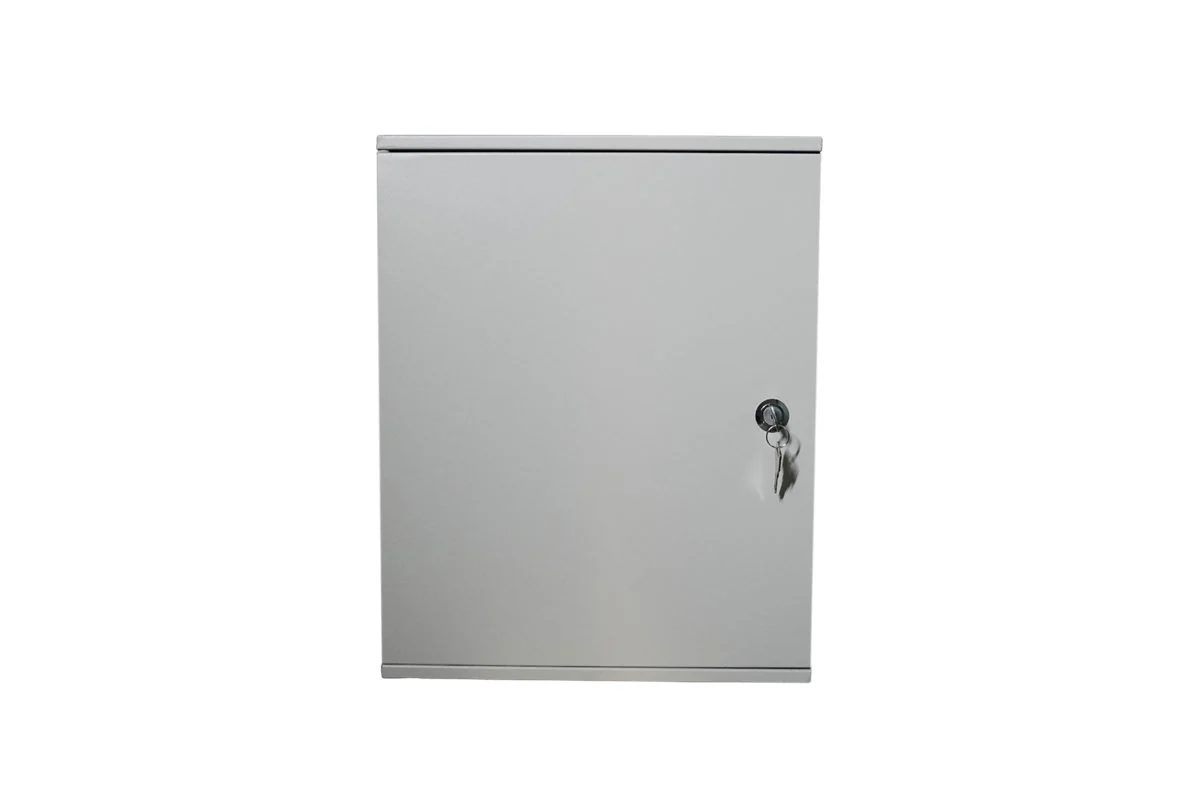
Product
RCU Controller Cabinet
RCU cabinet reference for room circuit, terminal, enclosure, and control-architecture planning.
View Product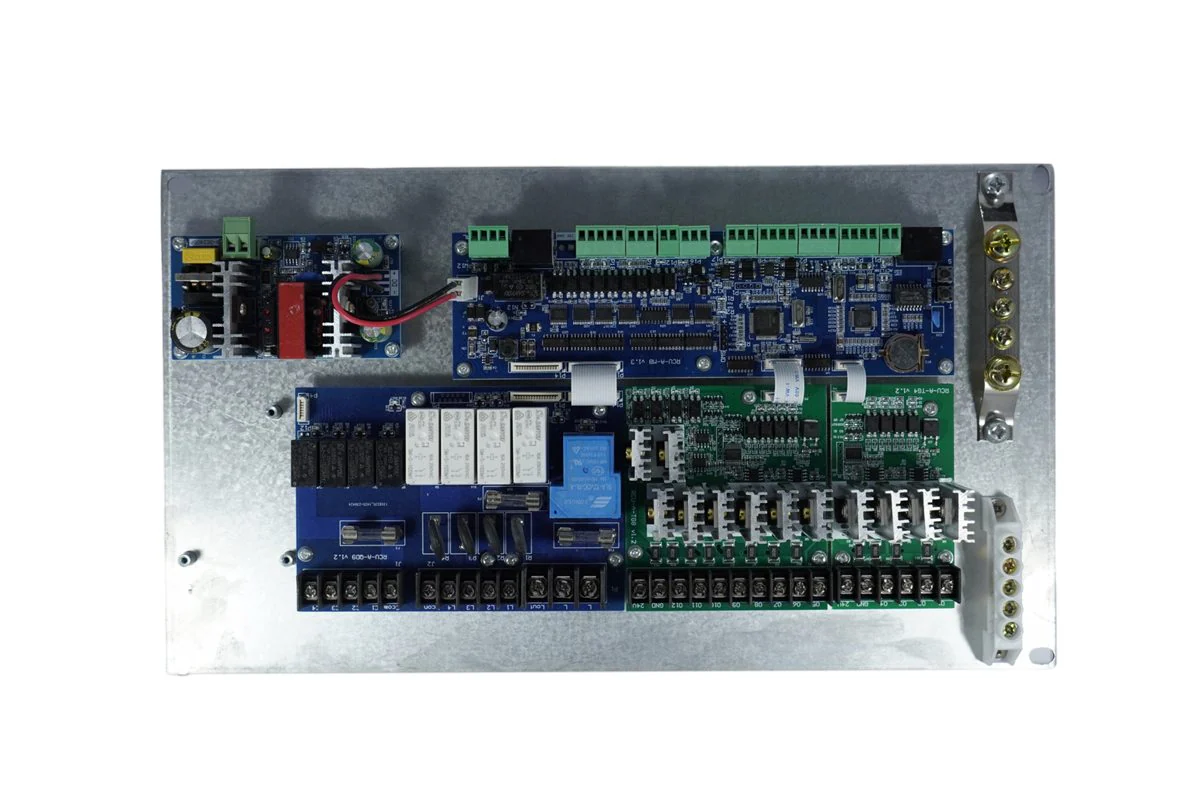
Product
Hotel Smart Room RCU Host 1
Room control host reference whose interfaces must be confirmed for the exact project.
View Product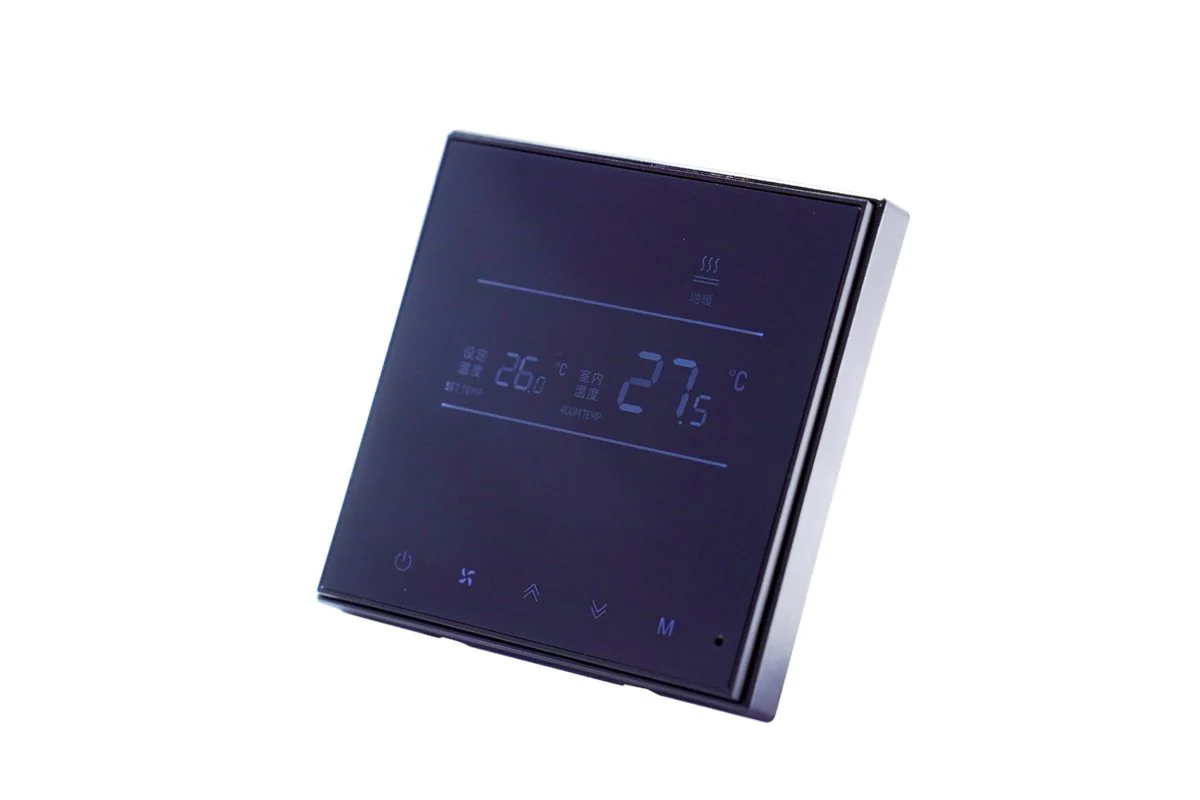
Product
Thermostat HVAC Control Panel
HVAC control interface reference for model-specific wiring and architecture review.
View Product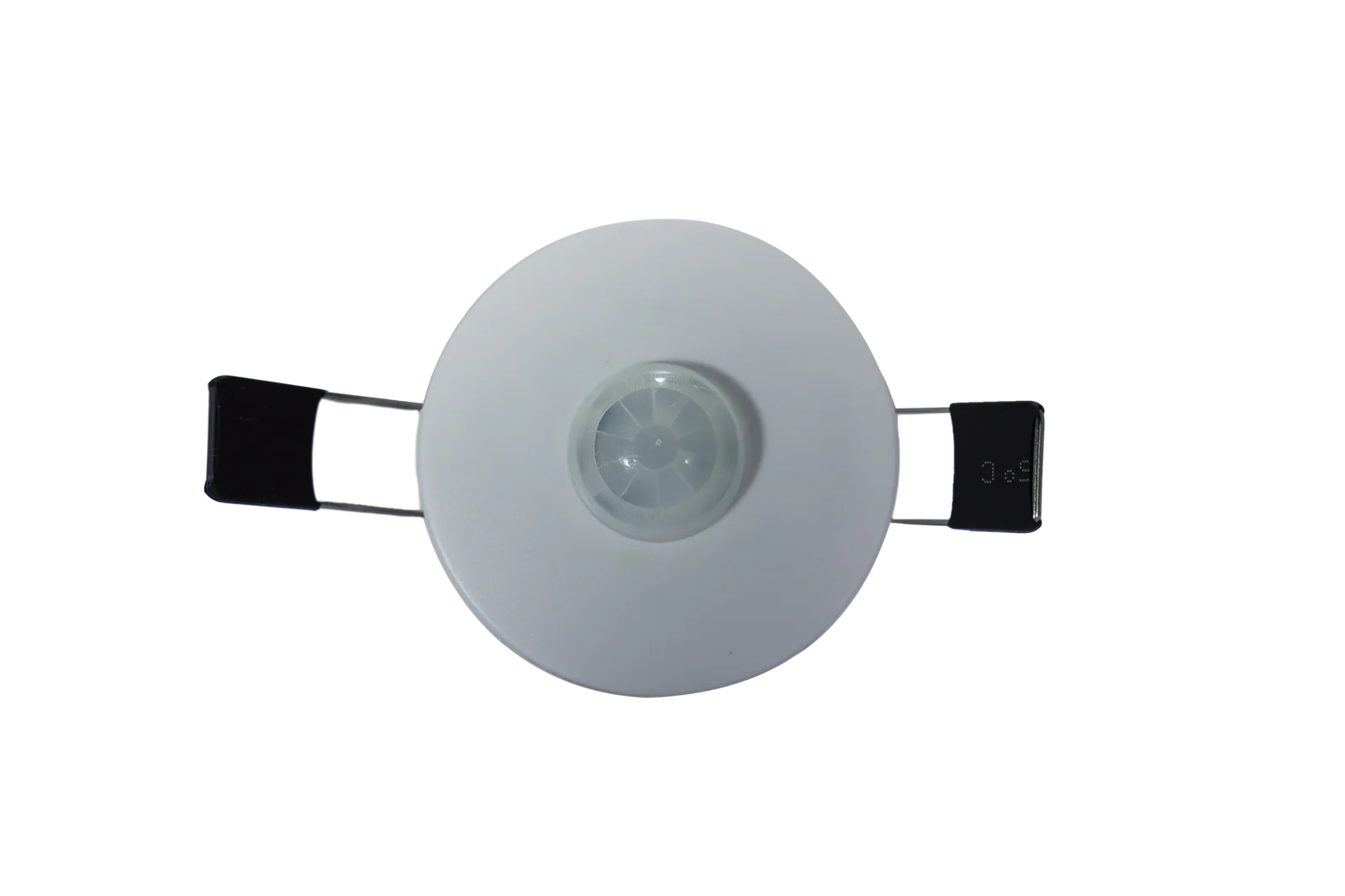
Product
Embedded Human Presence Sensor
Sensing reference for defining room logic and confirmed connection to the selected controller.
View ProductProject planning
Relevant Solutions
Solution
RCU Room Control Solution
Review real RCU hosts, cabinets, panels, sensors, and room-device coordination without implying KNX support.
View SolutionSolution
Hotel Guest Room Control Solution
Define guest-room functions and device relationships before selecting a control architecture.
View SolutionSolution
Smart Hotel Automation Solution
Consider room-level automation workflows, system boundaries, and approved integration needs.
View SolutionResource library
Continue Reading
Hotel RCU Buying Guide
A buyer-focused guide to selecting hotel RCU products, preparing room control requirements, and requesting accurate quotations for B2B projects.
Read GuideHotel RCU Wiring and System Architecture Guide
A project-planning guide to RCU architecture, room-level devices, wiring responsibilities, integration boundaries, and the information buyers should prepare before engineering review.
Read GuideSmart Hotel Room Control System Guide
A practical guide for planning smart hotel room control systems across guest experience, device selection, integration, and quotation preparation.
Read GuideProject inquiry
Need help selecting a hotel control solution?
Tell us your hotel type, room count, target market, and required functions. We can recommend suitable control architecture, products, and OEM/ODM options for your project.
- OEM/ODM support by product series and project requirements.
- RCU and smart panel product selection support.