Hotel Room Control System Cost Factors
A procurement guide to the factors behind hotel room control system quotations, with a practical framework for comparing scope without relying on fixed per-room pricing.
Overview
This guide is designed for Hotel owner, Contractor, System integrator, Project buyer teams preparing early product selection, project quotation, and document review for hotel room control and automation projects.
Why Hotel Room Control System Costs Vary
A hotel room control system is assembled around a project scope, so there is no responsible fixed cost that applies to every room. Room count, room types, controlled functions, wiring conditions, integration boundaries, panel design, market requirements, and installation responsibilities all change the quotation.
Two projects with the same number of rooms can require very different equipment. One may use a basic RCU, lighting panels, and a thermostat; another may add curtain control, presence detection, door status, service displays, central software, and customized finishes. Renovation constraints can also change labor and interface requirements even when hardware is similar.
Buyers should therefore compare a defined bill of quantities and responsibility matrix rather than headline per-room figures. The goal is to establish what is included, what is excluded, and which assumptions must be validated before a supplier quotation can support a procurement decision.
Main Cost Categories
A complete review separates the quotation into hardware, software or integration, customization, project services, installation, and logistics. This makes supplier proposals easier to compare and reduces the chance that an essential item is hidden outside the initial equipment list.
RCU and Control Hardware
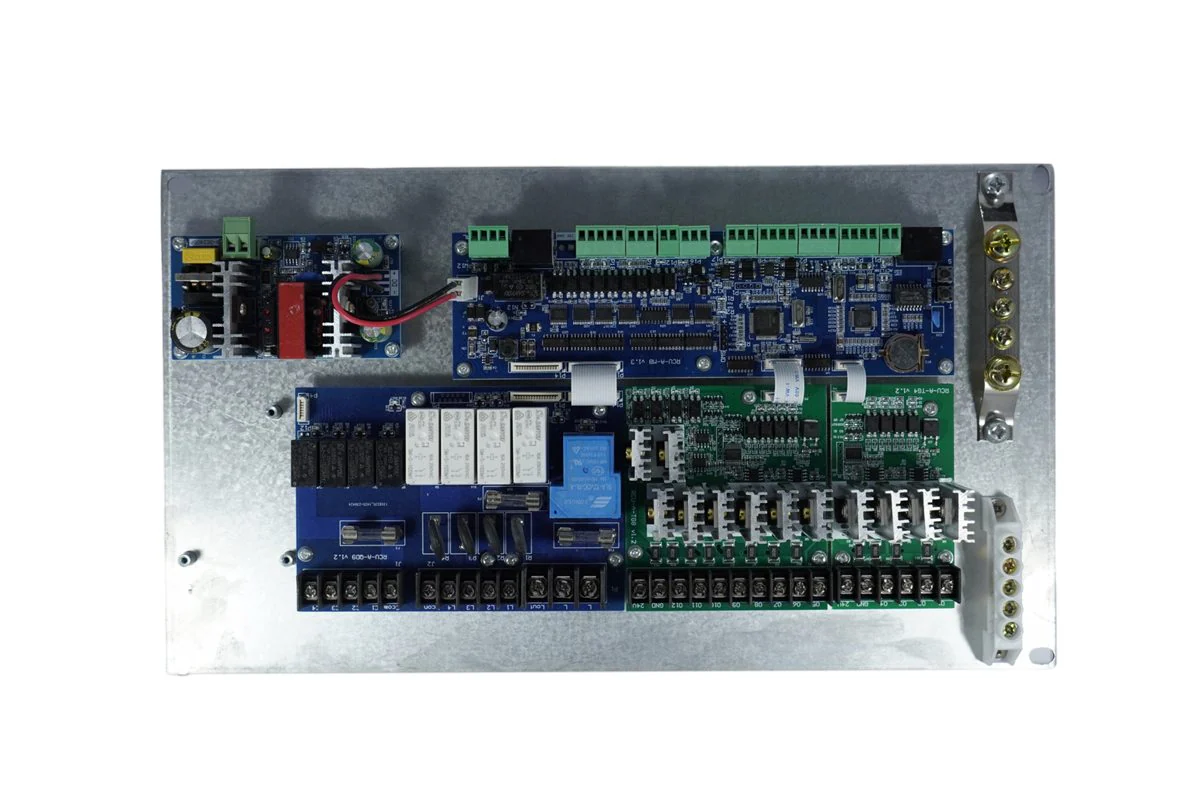
The control layer can include an RCU host, controller cabinet, I/O modules, power supplies, gateways, and required accessories. Capacity, circuit quantity, redundancy expectations, enclosure scope, and verified interface requirements affect the selected configuration.
Smart Panels and Thermostats
Panel quantity, function count, material, finish, icon layout, backlight, mounting format, and thermostat interface all influence the room package. Suites and multi-zone rooms usually need a different panel schedule from standard rooms.
Sensors and Door Devices
Door contacts, occupancy or presence sensors, doorbells, and DND/MUR displays add both equipment and coordination scope. Their value depends on the approved room logic, installation position, and connection method rather than on device quantity alone.
Software and Integration
Central monitoring, room management, PMS or third-party interfaces, gateways, licenses, data-point engineering, and commissioning can form a separate cost category. Compatibility and responsibility must be confirmed before these items are priced.
Installation and Commissioning
Cabling, containment, back boxes, cabinet installation, device termination, testing, programming, training, and site attendance may be supplied by different parties. A hardware-only quotation should not be mistaken for an installed and commissioned system price.
OEM/ODM Customization, Logistics, and Support
Logo, icon layout, color, finish, packaging, samples, new tooling, documents, freight, duties, and delivery coordination can change the commercial scope. Existing-mold color changes and new-mold development should be identified separately because their review and cost conditions differ.
Related planning reference: OEM/ODM Smart Panel Customization Guide.
Project Factors That Affect Cost
Room count affects production quantity and project services, but room-type variation is often equally important. A property with many suites, connecting rooms, and accessible rooms may need more engineering and a broader device schedule than a highly repetitive standard-room project.
Required functions define the hardware and software scope. Lighting scenes, curtain motors, fan-coil control, sensing, door status, energy-saving logic, and central monitoring each introduce devices or interfaces. Buyers should separate required functions from optional future ideas so the initial quotation remains comparable.
New construction generally allows the control architecture and cable routes to be coordinated early. Renovation projects may need to work with existing wiring, back boxes, loads, HVAC equipment, and operating-room constraints. A site survey and verified as-built information can be essential before the scope is finalized.
Local Standards and Integration Requirements
Voltage, frequency, electrical rules, required documents, approved materials, and integration expectations vary by market. The quotation should state which requirements have been confirmed and which remain subject to engineering review; compliance should never be assumed from a generic product category.
Custom Finish and Branding
Panel colors, materials, hotel or distributor logos, multilingual icons, packaging, and sample approvals can affect development work and production scheduling. Availability depends on the product series and the depth of customization requested.
Hardware-Only vs Complete-System Quotations
A hardware-only quotation typically covers listed products and agreed accessories. It may exclude cables, containment, network equipment, installation, programming, integration engineering, travel, testing, and local approvals. Buyers should request a clear inclusions and exclusions section rather than infer these services from the phrase room control system.
A complete-system proposal may include more design, software, commissioning, documentation, and coordination, but the exact boundary still varies. One supplier may provide room devices and configuration while a local integrator handles installation; another may include a broader engineering package through project partners.
The comparison should normalize both proposals to the same room schedule and responsibility matrix. If a price difference comes from missing thermostats, gateways, commissioning, or custom panels, it is a scope difference rather than a true cost advantage.
How to Compare Supplier Quotations
Start with the same room-type quantities and function matrix for every bidder. Check model numbers, unit quantities, room allocation, accessories, voltage, finish, documentation, samples, warranty terms, packing, freight basis, and lead-time assumptions. Each line should be traceable to a requirement or clearly marked as optional.
Review technical equivalence before comparing totals. An RCU with different capacity, a panel with a different material, or a sensor using a different detection method may not be interchangeable. Ask suppliers to identify deviations so the project team can decide whether they are acceptable.
Separate one-time customization or tooling, recurring unit costs, project services, and logistics. This helps an OEM/ODM buyer understand what changes with order quantity and helps a contractor avoid carrying a development charge into every room without explanation.
Information Needed for an Accurate Quotation
Provide the project country, room count, room-type schedule, expected functions, drawings, voltage and frequency, panel locations, finish direction, thermostat and curtain requirements, sensor logic, door-device needs, and any verified integration requirement. A BOQ or room function matrix is more useful than a request for a generic per-room price.
State whether the inquiry is for standard products, private labeling, or deeper OEM/ODM development. Regular products have no fixed MOQ. Custom products that require new tooling may involve a customization fee, while a color change using an existing mold does not incur a customization fee; both remain subject to product and project confirmation.
Identify the desired sample and delivery schedule. Typical lead time is 7–15 days depending on product and order requirements, but customization, quantity, artwork approval, documents, and logistics can affect the final schedule. Delivery should not be treated as guaranteed until the order scope is confirmed.
How to Control Cost Without Reducing Reliability
Standardize room functions and panel layouts where the guest experience allows it. Reducing unnecessary room-type variations can simplify engineering, spare management, artwork, installation, and commissioning without removing essential functions.
Use verified standard products for core functions and reserve customization for visible elements that support the project brand or workflow. Confirm interfaces early, specify suitable access for maintenance, and include practical spares instead of selecting hardware only by the lowest line-item price.
A phased review can help: approve the architecture, confirm a typical room, validate samples and documents, then release the broader quantity. This approach does not guarantee savings, but it gives buyers better control over scope changes and quotation comparisons.
Cost Planning Checklist for B2B Buyers
Confirm room quantities and variations, required and optional functions, hardware and service boundaries, customization depth, integration points, installation responsibilities, documents, samples, freight basis, and spare requirements. Request assumptions and exclusions in writing for every proposal.
Do not rely on public fixed pricing, lowest-price claims, guaranteed ROI, or a promised energy-saving percentage. A useful quotation is one that can be checked against drawings, a device list, and an agreed responsibility matrix.
Share the prepared scope with the supplier before asking for a final quotation. DualCoreLink can review product selection and document needs by project request, while local installation, standards, and commissioning conditions should be confirmed by the responsible project professionals.
Safe B2B scope
- Supports B2B hotel project inquiries.
- Product selection support is available for hotel owners, contractors, system integrators, distributors, and OEM/ODM buyers.
- Documents can be reviewed by product and project request.
- Voltage and protocol requirements should be confirmed by project.
- OEM/ODM customization is available depending on product series and project requirements.
- Regular products have no fixed MOQ.
- Typical lead time is 7-15 days depending on product and order requirements.
Product discovery
Recommended Products
Review a focused set of products that relates to the planning topics in this guide. Final selection should be confirmed against project wiring, voltage, protocol, and room-function requirements.
Product
Hotel Smart Room RCU Host 1
Representative room control host for reviewing the core hardware portion of a package.
View Product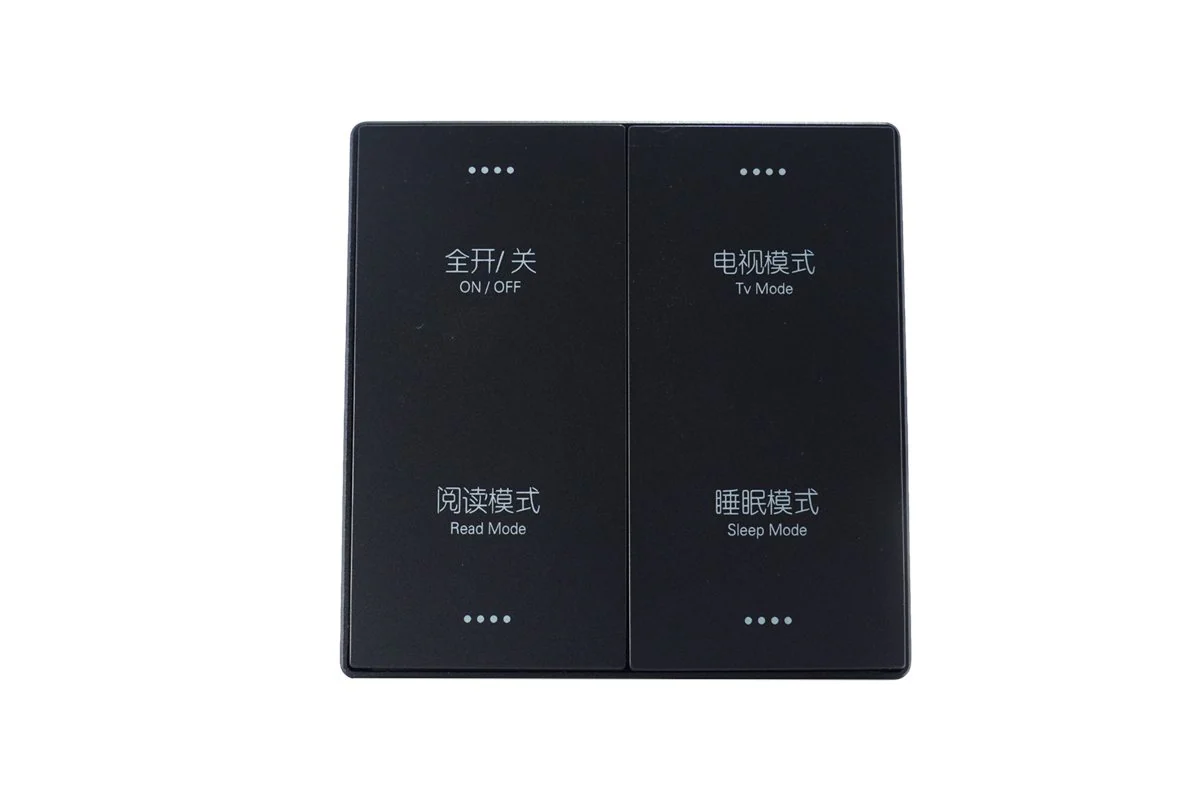
Product
Smart Four Key Scene Control Panel
Guest-facing scene panel that illustrates function, finish, and layout decisions.
View Product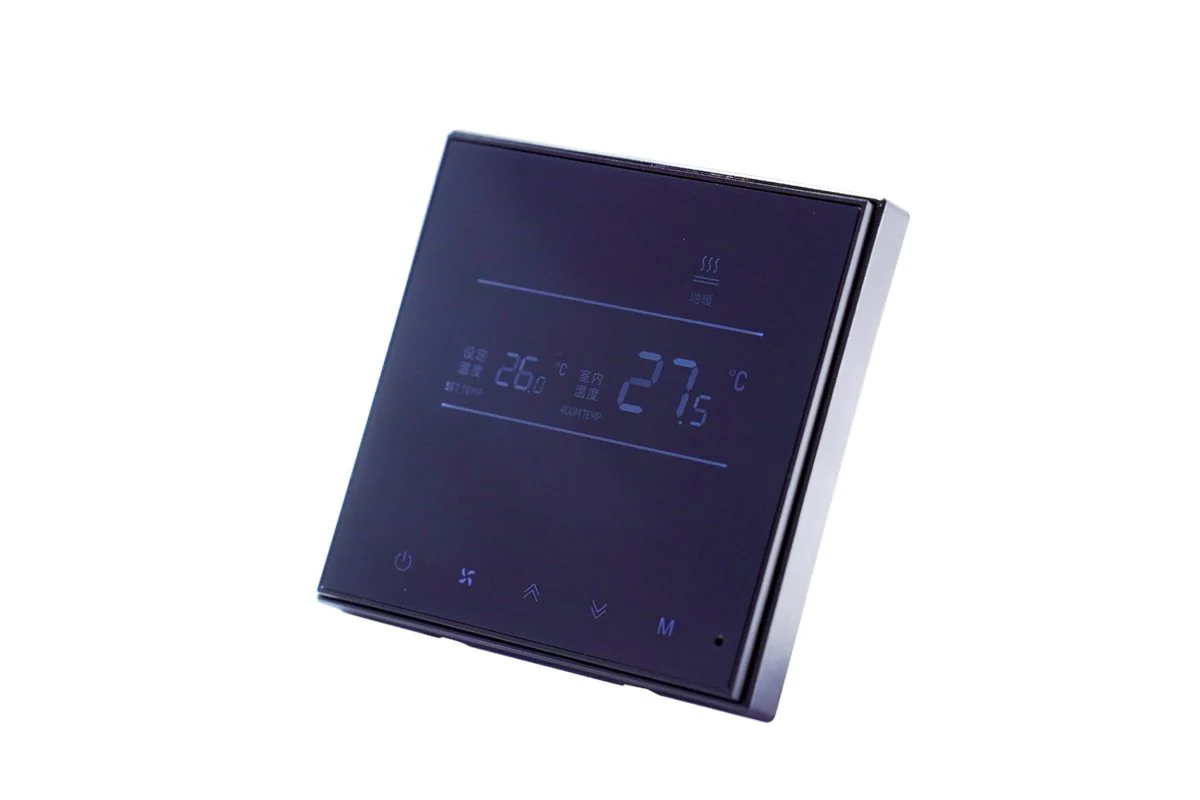
Product
Thermostat HVAC Control Panel
HVAC control interface whose requirements depend on the mechanical system and room scope.
View Product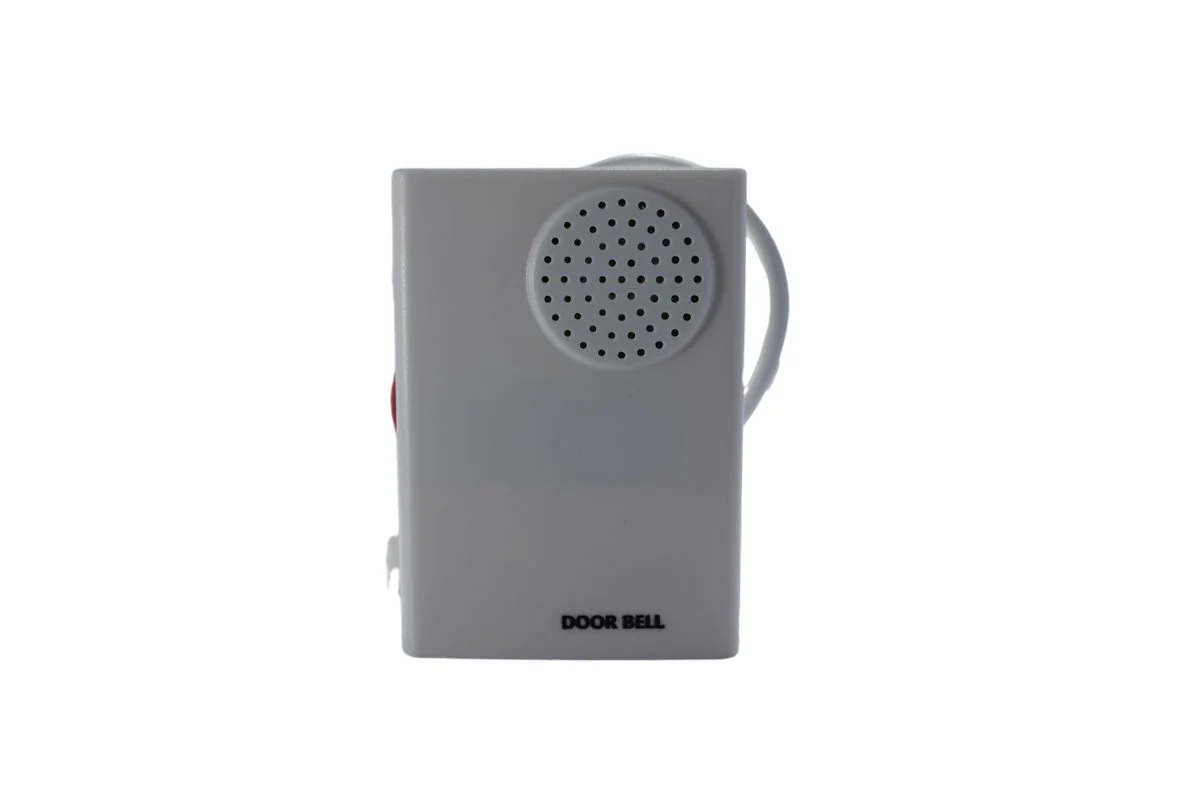
Product
Hotel Guest Room Doorbell
Door-side device representing service-status and room-entry equipment in the quotation.
View ProductProject planning
Relevant Solutions
Solution
Hotel Guest Room Control Solution
Define the complete lighting, HVAC, curtain, sensing, status, and room-power package before comparing quotations.
View SolutionSolution
RCU Room Control Solution
Review control hosts, cabinets, panels, and connected devices as one technical and commercial scope.
View SolutionSolution
OEM/ODM Custom Panel Solution
Evaluate branding, finish, layout, samples, and tooling requirements separately from standard hardware.
View SolutionResource library
Continue Reading
OEM/ODM Hotel Control Panel Development Process
A practical workflow for hotel project buyers, brands, distributors, and integrators taking a custom control panel from requirements through prototype review and production preparation.
Read GuideHotel Renovation Smart Room Upgrade Guide
A renovation-focused guide for surveying existing guest rooms, defining an upgrade scope, reducing construction risk, and preparing a pilot before wider hotel deployment.
Read GuideHotel RCU Buying Guide
A buyer-focused guide to selecting hotel RCU products, preparing room control requirements, and requesting accurate quotations for B2B projects.
Read GuideProject inquiry
Need help selecting a hotel control solution?
Tell us your hotel type, room count, target market, and required functions. We can recommend suitable control architecture, products, and OEM/ODM options for your project.
- OEM/ODM support by product series and project requirements.
- RCU and smart panel product selection support.