Hotel RCU Wiring and System Architecture Guide
A project-planning guide to RCU architecture, room-level devices, wiring responsibilities, integration boundaries, and the information buyers should prepare before engineering review.
Overview
This guide is designed for Hotel owner, Contractor, System integrator, Project buyer teams preparing early product selection, project quotation, and document review for hotel room control and automation projects.
What an RCU Does in a Hotel Guest Room
A room control unit coordinates selected electrical loads, guest interfaces, sensors, and service-status devices within a hotel room. It can provide a common control point for lighting circuits, curtains, HVAC interfaces, key-card power logic, door status, and room-service indications, depending on the approved project design and the capabilities of the selected products.
For buyers, an RCU should be evaluated as part of a room architecture rather than as an isolated box. The required inputs, outputs, panel connections, power arrangement, and integration scope all depend on the room type and control schedule. A standard room, suite, and serviced apartment can require different circuit counts and user interfaces even within one property.
The RCU does not replace engineering design, protective devices, or local electrical requirements. It provides a control layer whose exact voltage, load, cable, enclosure, and installation details must be confirmed by qualified electrical and low-voltage professionals for the project location.
Related planning reference: Hotel RCU Buying Guide.
Main Components in an RCU-Based Room Control System
An RCU-based room normally combines control hardware with guest-facing and sensing devices. The hardware may include an RCU host or controller cabinet, while the visible layer may include scene switches, curtain panels, thermostats, key-card energy saver panels, sockets, doorbells, and room-status displays. Door contacts and presence sensors can provide status inputs for approved room logic.
The device list should follow the room function schedule. Buyers should identify which loads are directly switched, which devices exchange control signals, which interfaces are only status indicators, and which functions belong to another system. This separation helps prevent duplicate hardware and clarifies responsibilities between electrical, HVAC, lock, network, and hotel-management contractors.
Product families should also be reviewed as a coordinated set. Panel finish, back-box requirements, power supply, wiring topology, labeling, and documentation can affect installation consistency across hundreds of rooms. A visually matched panel series is useful only when its electrical and control interfaces also fit the project architecture.
Typical Hotel Room Control Architecture
A practical architecture can be understood as several layers: room-level devices, the RCU or control host, the hotel network or management layer, and optional third-party integration. Not every project uses every layer, and the approved interface should be documented before procurement.
Room-Level Devices
Room-level devices include switches, displays, thermostats, curtain controls, door contacts, occupancy sensors, doorbells, and status indicators. Some send commands, some report conditions, and others control loads. The wiring schedule should state the role of each device rather than relying on a product name alone.
RCU or Control Host
The RCU receives selected inputs and applies the programmed room logic to outputs or connected devices. Input and output capacity, expansion method, power requirements, and supported interfaces must be checked against verified product documentation; they should never be inferred from another model in the same category.
Hotel Network or Management Platform
Where a management platform is included, the project must define which room events or commands are exchanged, how rooms are addressed, and who supplies the network and commissioning scope. A standalone room-control package and a centrally monitored system have different infrastructure and testing requirements.
PMS or Third-Party Integration
PMS, lock, HVAC, or other third-party integration is project-specific. Buyers should request an interface statement identifying the verified protocol, gateway, data points, and responsible parties. No direct compatibility should be assumed without confirmation from all involved system vendors.
Strong-Current and Weak-Current Wiring
Hotel room control projects often bring strong-current load wiring and weak-current control or communication wiring into the same coordination process. The two have different safety, routing, segregation, termination, and testing requirements. Drawings should clearly distinguish load circuits, power supplies, dry-contact or sensor inputs, communication buses, and network links.
The RCU cabinet location must allow safe installation, inspection, heat management, and future maintenance. Cable routes and enclosure design should be developed by the project electrical team in accordance with applicable standards. This guide does not provide field wiring instructions, terminal numbers, conductor sizes, breaker ratings, or commissioning procedures.
Before purchasing, ask for verified datasheets and project-relevant wiring references for the exact model. Specific voltage, frequency, load type, circuit capacity, protection, and earthing requirements must be reviewed by a qualified electrical engineer. A generic diagram is not a substitute for approved construction documentation.
Typical Wiring Relationships
A wiring relationship describes how device groups interact, not how an installer should terminate a specific product. The room schedule should connect each guest function to a device, control point, load, and responsible system.
Lighting Circuits
Lighting may be divided by room zone and scene requirement. The design team should confirm circuit quantity, load characteristics, dimming requirements where applicable, and which panels or automation conditions can command each circuit.
Curtain Motors
Curtain control requires confirmation of motor type, direction logic, power arrangement, local panel commands, and any scene behavior. Motor compatibility and interlocking must be verified from the selected equipment documentation.
HVAC and Thermostat Control
The thermostat may control or interface with fan-coil or other HVAC equipment according to the mechanical design. Fan speeds, valve type, operating voltage, occupancy logic, and third-party boundaries should be agreed with the HVAC supplier before quotation.
Door Contacts and Occupancy Sensors
Door contacts and occupancy or presence sensors provide different information. Their signals can support room logic only when installation position, detection method, timing, and false-trigger handling have been designed for the use case.
Doorplates and Room Displays
Door-side devices may present room number, doorbell, DND, MUR, or other configured status. The project should define which status originates inside the room, which is displayed outside, and whether any hotel platform receives the same event.
Centralized vs Distributed Control Architecture
A centralized room architecture places more input and output coordination at one RCU or cabinet. It can simplify the conceptual control point and make room logic easier to document, but it may require more home-run wiring and careful cabinet planning. The effect depends on room layout and the selected hardware.
A distributed architecture places more intelligence or switching closer to individual panels or loads. It may reduce some cable runs or offer modular expansion, while increasing the number of powered or addressed devices. Maintenance strategy, replacement access, programming responsibility, and network dependence should be considered alongside installation cost.
Neither architecture is universally better. New construction, renovation constraints, room repetition, contractor capability, spare strategy, commissioning tools, and integration requirements should guide the decision. Buyers should compare complete architecture proposals rather than controller prices alone.
Information Required Before Wiring Design
Prepare architectural room plans, reflected ceiling plans, electrical load schedules, room-type quantities, panel locations, HVAC interface information, curtain requirements, and door-device expectations. A room function matrix should show what the guest, housekeeping team, and management system need to control or observe.
The supplier also needs the project country, voltage and frequency, preferred back-box standard, finish requirements, protocol or integration expectations, and required documentation. If a protocol has not been selected, describe the required outcome instead of naming an interface that may not be necessary or supported.
Identify the approval path: who reviews samples, who issues coordinated drawings, who confirms the software points list, and who commissions each interface. Clear ownership is as important as the device list because many wiring problems originate at the boundary between trades.
Common RCU Wiring Mistakes
Common early mistakes include selecting an RCU before counting room loads, treating sensor wiring as interchangeable, assuming a panel supports an unverified protocol, and omitting power supplies or gateways from the scope. Another risk is using one typical room drawing without documenting suite and accessible-room variations.
Projects also run into trouble when strong- and weak-current responsibilities are unclear, cabinet space is insufficient, back boxes do not match panels, or HVAC and curtain interfaces are confirmed too late. These issues can create redesign, procurement delays, and inconsistent installation even when the individual products are suitable.
A disciplined review should compare the BOQ, room function schedule, wiring drawings, product datasheets, and interface matrix before orders are released. Any discrepancy should be resolved by the responsible engineers and suppliers rather than improvised on site.
Questions to Ask an RCU Supplier and Project Planning Checklist
Ask which exact models match the room I/O schedule, what verified wiring and installation documents are available, which interfaces are supported by those models, and what information is required for integration review. Confirm sample availability, labeling, panel finish, replacement strategy, lead time, and the division between hardware supply and commissioning support.
Before quotation, check that every room type has a function list, device schedule, voltage requirement, panel and sensor locations, HVAC and curtain interface notes, door-status logic, and expected management-system scope. Mark all assumptions so they can be reviewed rather than silently becoming procurement requirements.
Finally, submit drawings, room quantities, the proposed BOQ, and document needs with the inquiry. DualCoreLink can support product selection and document review by project request, while final circuit design and site execution remain the responsibility of qualified project professionals.
Safe B2B scope
- Supports B2B hotel project inquiries.
- Product selection support is available for hotel owners, contractors, system integrators, distributors, and OEM/ODM buyers.
- Documents can be reviewed by product and project request.
- Voltage and protocol requirements should be confirmed by project.
- OEM/ODM customization is available depending on product series and project requirements.
- Regular products have no fixed MOQ.
- Typical lead time is 7-15 days depending on product and order requirements.
Product discovery
Recommended Products
Review a focused set of products that relates to the planning topics in this guide. Final selection should be confirmed against project wiring, voltage, protocol, and room-function requirements.
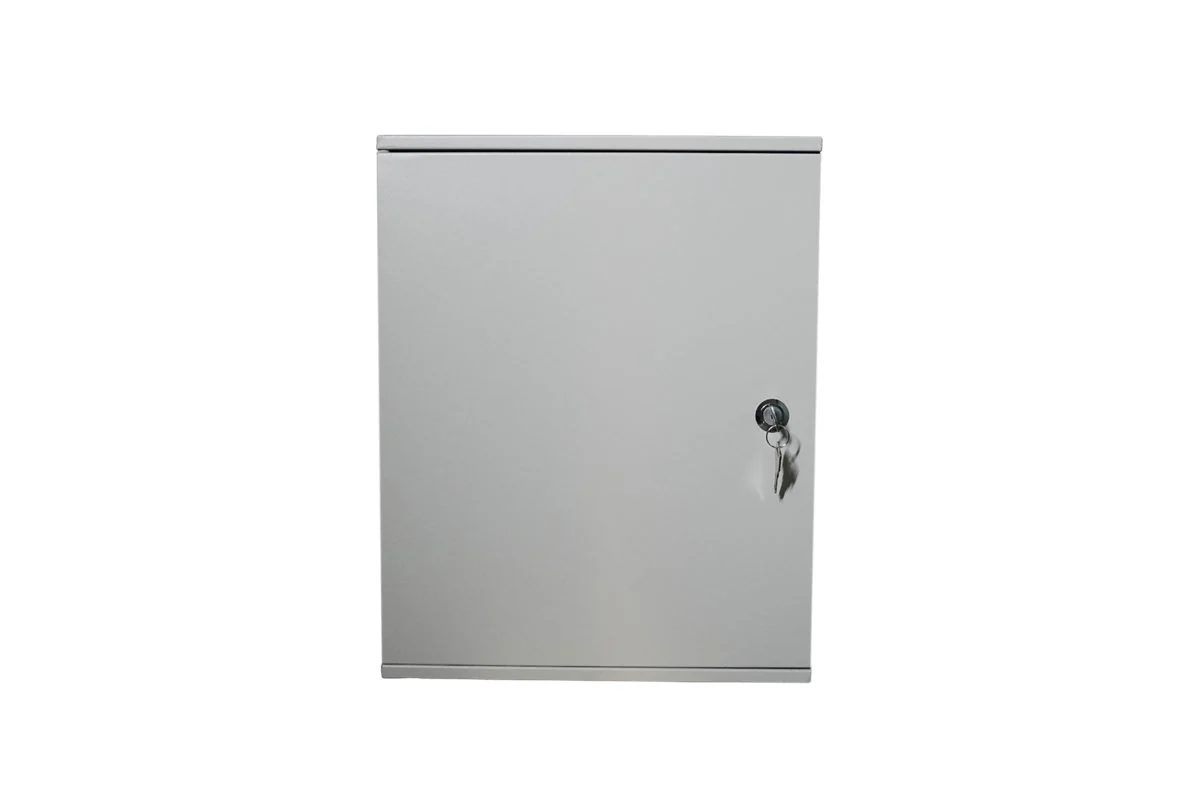
Product
RCU Controller Cabinet
Strong-current control cabinet for coordinated circuit and RCU architecture review.
View Product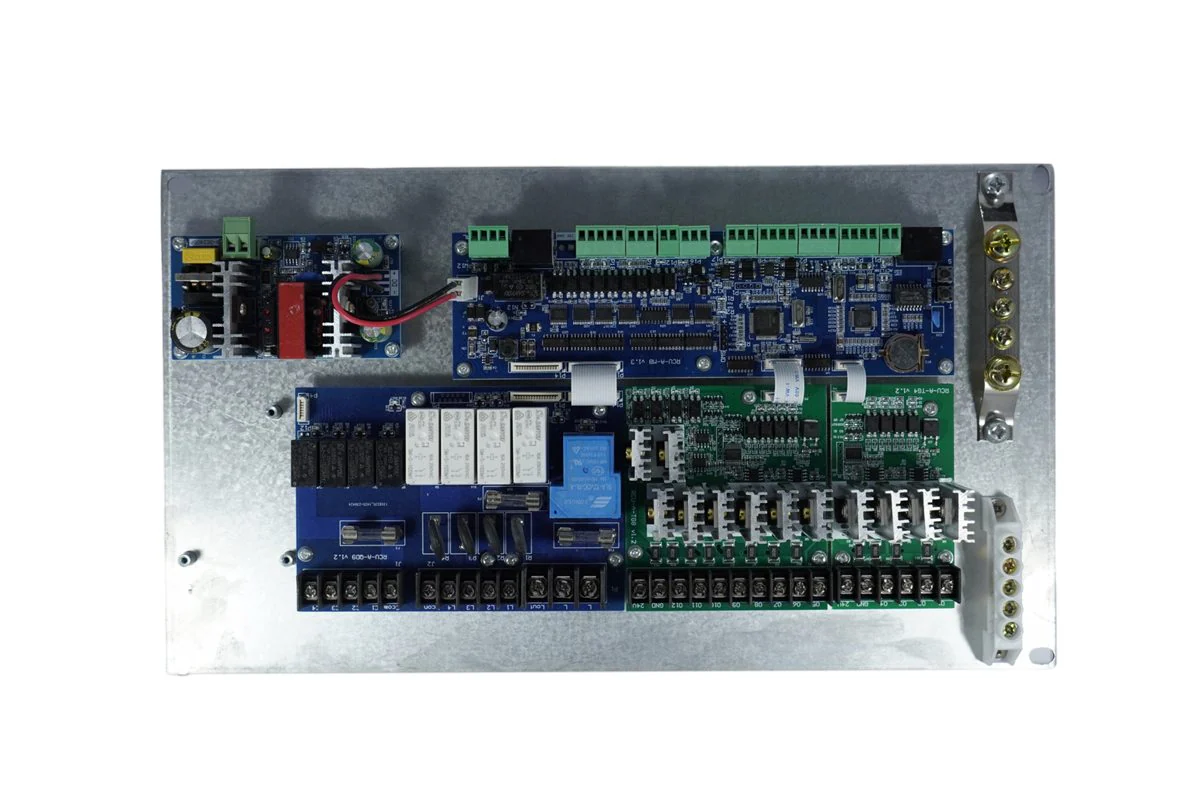
Product
Hotel Smart Room RCU Host 1
Room control host option for matching inputs, outputs, and connected hotel room devices.
View Product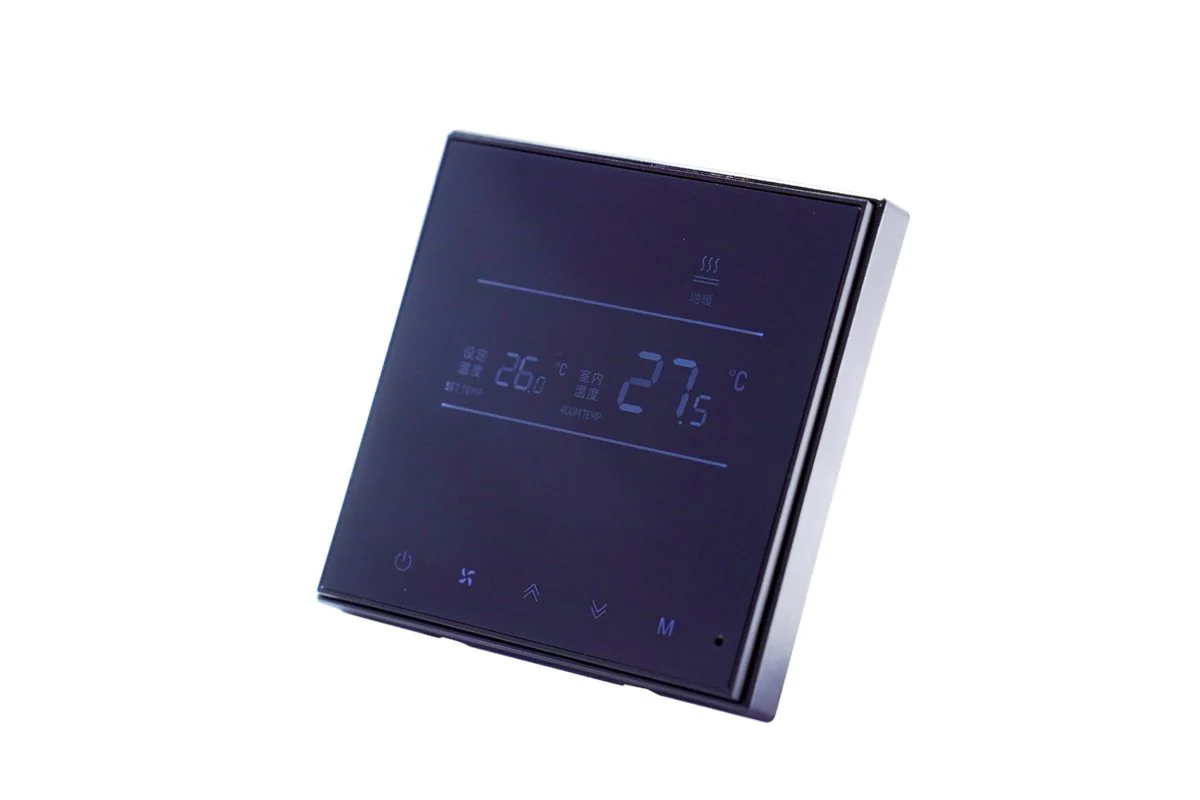
Product
Thermostat HVAC Control Panel
Guest room thermostat interface for HVAC coordination and room control planning.
View Product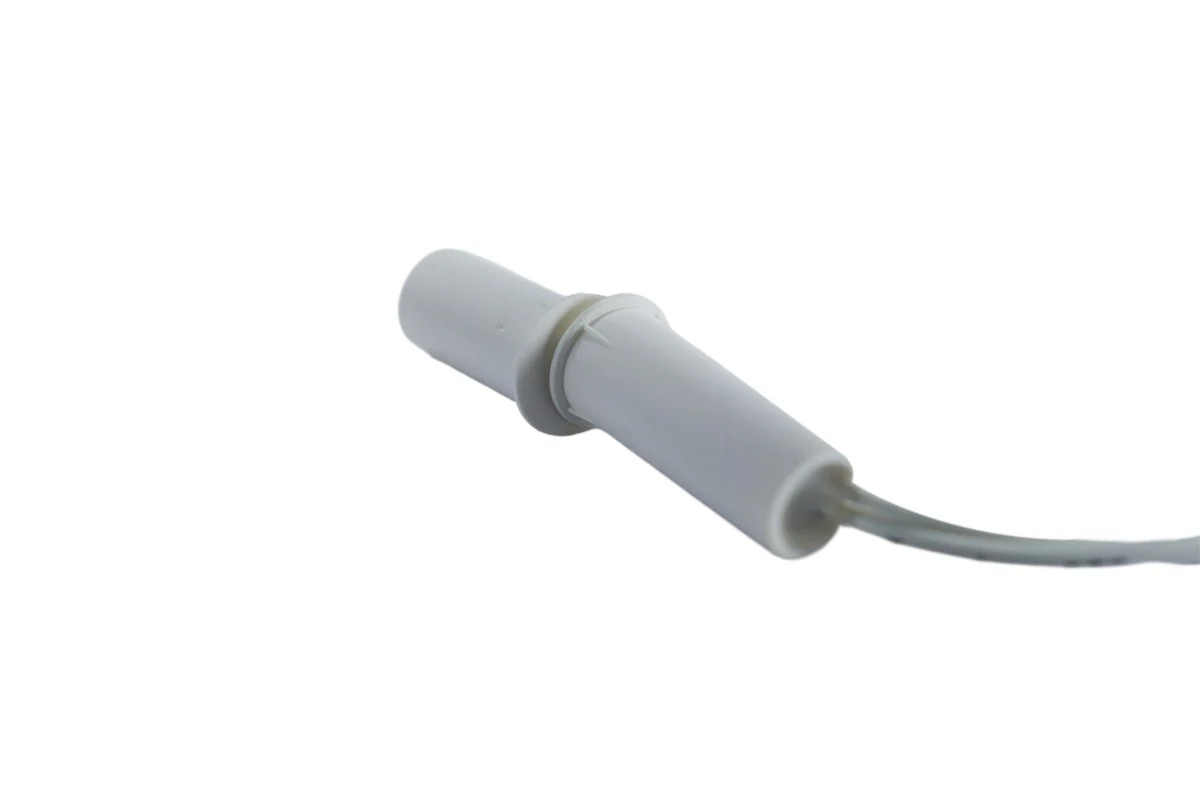
Product
Hotel Room Door Magnetic Sensor
Door-status input device for approved occupancy and room automation logic.
View ProductProject planning
Relevant Solutions
Solution
RCU Room Control Solution
Coordinate RCU hosts, controller cabinets, sensors, panels, and room devices within a defined control architecture.
View SolutionSolution
Hotel Guest Room Control Solution
Plan guest room lighting, HVAC, curtains, status, sensing, and power workflows as one project scope.
View SolutionResource library
Continue Reading
KNX vs RCU for Hotel Room Control
A neutral architecture comparison for hotel owners, consultants, contractors, and integrators deciding how KNX and RCU approaches fit project requirements.
Read GuideHotel RCU Buying Guide
A buyer-focused guide to selecting hotel RCU products, preparing room control requirements, and requesting accurate quotations for B2B projects.
Read GuideHotel Renovation Smart Room Upgrade Guide
A renovation-focused guide for surveying existing guest rooms, defining an upgrade scope, reducing construction risk, and preparing a pilot before wider hotel deployment.
Read GuideProject inquiry
Need help selecting a hotel control solution?
Tell us your hotel type, room count, target market, and required functions. We can recommend suitable control architecture, products, and OEM/ODM options for your project.
- OEM/ODM support by product series and project requirements.
- RCU and smart panel product selection support.