Smart Panel Material and Finish Selection Guide
A buyer and designer guide to comparing panel materials, visible finishes, color behavior, key layouts, maintenance questions, and physical sample approval.
Overview
This guide is designed for Hotel owner, OEM/ODM buyer, Distributor, Contractor, System integrator teams preparing early product selection, project quotation, and document review for hotel room control and automation projects.
Why Panel Material and Finish Matter
Hotel control panels are both working interfaces and visible interior elements. Guests touch them repeatedly, staff clean around them, contractors install them alongside wall finishes, and designers expect them to support a consistent room language. Material and finish decisions therefore affect appearance, tactile impression, readability, maintenance discussion, sample approval, and the way a family of switches, thermostats, sockets, and door devices looks together.
A finish name is not a complete specification. Two suppliers may use similar words for surfaces that differ in color, gloss, texture, edge detail, substrate, coating, printing, or manufacturing method. Buyers should connect every appearance term to an actual product series, approved sample, drawing, and project requirement.
Visual preference must also remain separate from performance claims. A metal-looking surface is not automatically a confirmed metal grade, and a matte appearance does not prove scratch, chemical, fire, water, antimicrobial, or corrosion performance. Any technical property must be verified for the exact product rather than inferred from photographs or marketing language.
Main Panel Material Categories
Material categories help organize a shortlist, but the final construction may combine a visible face, frame, carrier, electronics, touch layer, printing, coating, and mounting parts. Ask which material applies to the visible area and which applies to the supporting structure. Product samples and model-specific documents should resolve the final choice.
Glass
Glass can support a smooth, clean visual field and printed or backlit icon treatments. Buyers should review reflections, edge treatment, color layer, icon visibility, touch behavior, mounting, replacement process, cleaning guidance, and the specific product's verified construction. Glass should not be described as universally more premium or durable than other materials.
Metal
Metal can provide a distinct tactile and visual character, from contemporary to decorative. The exact metal, thickness, surface process, coating, edges, and environmental suitability need product confirmation. A metallic appearance alone does not establish the substrate or any resistance rating.
Aluminum
Aluminum is often discussed separately because it can support brushed or other visible finish directions. Buyers should compare grain consistency, color, frame alignment, icon method, cut edges, and matching across devices. Do not assume a generic aluminum grade or performance level unless the exact model documentation confirms it.
Plastic or Engineering Polymer
Polymer construction can support molded shapes, colors, textures, and practical product platforms. Review visible quality, color consistency, joint lines, mounting, cleaning, and the actual resin or performance information only when supplied for that model. It is inaccurate to treat all polymer panels as one material class with identical behavior.
Mixed-Material Construction
Many panel families combine materials to balance appearance, structure, electronics, and installation. Ask for an exploded description or sample review when the distinction matters. The buyer should approve the visible result and model-specific construction without converting a design description into an unsupported performance claim.
Common Surface Finishes
Surface finish changes how a panel reads under daylight, warm bedside lighting, corridor lighting, and photography. It also changes the visibility of fingerprints, dust, cleaning marks, scratches, icons, and edge details. Always review the finish on the intended product shape because the same color can appear different across materials and processes.
Brushed Finish
A brushed direction creates visible linear texture and can emphasize alignment across a panel family. Review grain direction, consistency, color, icon contrast, joints, and how adjacent products align. The Brushed Aluminum Series provides a real project reference, but final construction and finish remain model-specific.
Matte Finish
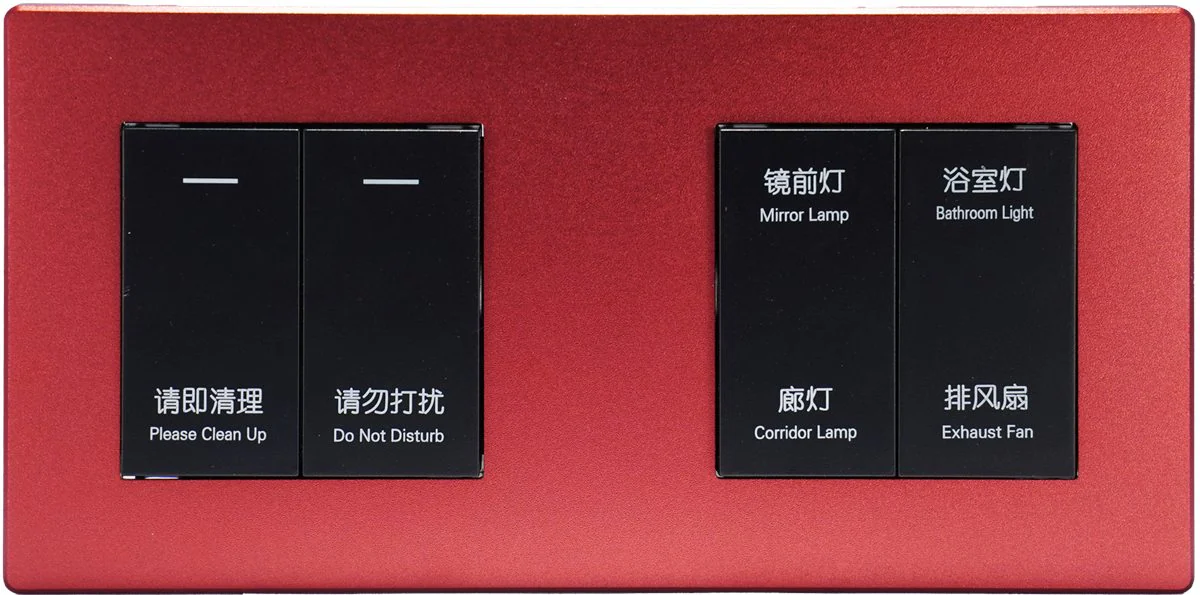
Matte surfaces reduce strong reflections and can support a quiet visual expression, but fingerprint and cleaning behavior still varies by material and process. The Borui Series is defined by its red matte appearance; buyers should use a physical sample to approve the actual red tone and texture.
Gloss Finish
Gloss surfaces can create depth and clear color but may show reflected light, fingerprints, or fine marks differently. Review them in the room's intended lighting and at typical viewing angles. No universal maintenance or scratch conclusion should be made from gloss level alone.
Metallic Finish
Metallic appearance can come from several materials and processes. Clarify whether the term describes the visible effect or the actual substrate, then approve the exact sample. Icon color and backlighting should be reviewed against the reflective surface.
Vintage or Decorative Finish
Decorative finishes can support boutique, heritage, or richly detailed interiors. The Vintage Gold Series is a confirmed series direction. Buyers should compare it with other metal, fabric, stone, furniture, and lighting samples rather than rely on a digital color alone.
Custom Color Finish
Custom color work begins with a product series, mold, material, finish process, color reference, sample method, and approval tolerance. Under current terms, using an existing mold and changing only the color does not require a customization fee. Other changes may add sample, customization, or tooling scope and must be reviewed separately.
How to Match a Panel to Hotel Design
Start from the room's materials, lighting, furniture, hardware, wall colors, guest profile, and brand guidelines, then shortlist panel families that fit the overall language. The control should remain easy to find and read; blending it into the wall should not make keys or status indicators ambiguous.
Luxury Hotel
Review detail consistency, alignment, tactile quality, icon refinement, finish matching, and how switches, thermostats, sockets, and service panels form one family. A luxury brief still needs technical fit and maintainability, not appearance alone.
Business Hotel
Prioritize clear functions, fast recognition, consistent room layouts, straightforward replacement, and a finish that supports frequent operation. Decorative complexity should not reduce usability or spare management.
Resort
Consider the interior palette, daylight, local maintenance conditions, and any environmental requirements identified by the project team. Suitability for humidity, salt, heat, or cleaning regimes must be verified for the exact model; it cannot be assumed from material category.
Boutique Hotel
A distinctive color, vintage finish, custom icon set, or nonstandard layout can support a strong concept. Check whether the chosen existing mold can deliver the design or whether new tooling is justified by quantity, schedule, and brand value.
Apartment or Extended Stay
Review the broader mix of switches, sockets, HVAC, curtains, and information points expected in longer-stay rooms. Consistency, labels, replacement access, and cleaning guidance may be more important than an isolated decorative feature.
Durability and Maintenance Considerations
Ask how the visible face, icons, keys, touch surface, frame, and mounting are constructed and replaced. Discuss expected cleaning agents, frequency, staff methods, spare parts, removal access, and whether visible components can be changed without disturbing the wall finish. Use verified model documents for any performance requirement.
Do not rank materials with absolute statements such as metal always lasts longer than glass. Durability depends on design, process, installation, environment, use, cleaning, and the exact product. A physical sample and project-specific document review provide a more reliable basis for selection.
Fingerprints, Scratches and Cleaning
Inspect samples after normal handling and under side lighting, because marks that are invisible in a catalog can become prominent in a room. Ask for cleaning guidance and test the hotel's proposed routine on an approved sample when appropriate. Avoid unverified claims about fingerprint resistance, antimicrobial properties, scratch grades, or chemical resistance.
The housekeeping team should review ease of wiping around keys, edges, sockets, and raised details. Maintenance should also consider how damaged faceplates are identified, stored, and replaced while preserving color consistency across rooms.
Color and Lighting Conditions
Evaluate color beside the actual wall covering, furniture hardware, stone, timber, fabric, and lighting. Warm and cool light can change perceived red, gold, silver, black, and white tones. Camera settings and screens introduce further differences, so digital approval should be followed by a controlled physical sample review.
Define which sample is the master reference, who approves it, and how later production is compared. For a coordinated family, place several device types together because different shapes and materials can make one nominal color look different.
Icons, Labels and Key Layout
Icon size, stroke, contrast, illumination, language, abbreviations, and key order affect usability as much as finish. Review controls at standing, bedside, and corridor distances. Ensure important functions are distinguishable in daylight and at night without assuming every guest understands a custom symbol.
Keep a controlled artwork file and match it to the selected model. Changing key count or layout can affect electronics, molds, and function logic, so it should not be treated as a printing change until the product team confirms feasibility.
Related planning reference: Hotel Smart Switch Panel Guide, Hotel Doorplate and Room Display Buying Guide.
Existing Mold vs Custom Appearance
Use an existing mold when its dimensions, mounting, proportions, and product platform fit the brief. Color, logo, icons, and selected finish changes may provide enough differentiation with less structural development. Confirm each change against the chosen series and current purchasing terms.
New tooling may be needed for a different shape, dimensions, frame, structural arrangement, or other physical change. It can add cost, quantity conditions, samples, and schedule. Buyers should first decide whether the distinctive appearance creates enough project value to justify the added development path.
Related planning reference: OEM/ODM Hotel Control Panel Development Process.
Sample Approval and Color Confirmation
Approve samples using the final product shape where possible. Record model, material description, finish, color reference, artwork version, lighting conditions, date, and approver. Compare several panel types together if the room uses a family, and include the interior designer, procurement team, engineering team, and hotel operator where their decisions differ.
The approved sample should be retained as a reference for production discussion. A sample confirms the reviewed appearance and functions; it does not create unverified certifications or universal performance guarantees.
Common Selection Mistakes
Frequent mistakes include selecting from a screen only, using a finish name as a full specification, ignoring room lighting, mixing panel families without a physical comparison, approving icons after the sample, assuming a material property without documentation, and choosing a surface without housekeeping input. Another is focusing on appearance before confirming wall box, wiring, function, and controller compatibility.
Avoid treating one sample as proof for every related product. A switch, thermostat, socket, and doorplate can use different construction even when they share a visual series. Each required model should be included in the approval matrix.
Material and Finish Checklist
Confirm product series, visible material, supporting construction where relevant, finish, color, gloss or texture direction, icons, labels, illumination, key layout, wall-box fit, cleaning guidance, replacement method, sample owner, and required model documents. Separate verified performance requirements from visual preferences.
For an OEM/ODM inquiry, send room renderings, material boards, reference photos, color direction, target panel types, quantities, drawings, logo and artwork, market, and schedule. Final material, color, process, and performance decisions should be based on the selected product samples and project confirmation.
Safe B2B scope
- Supports B2B hotel project inquiries.
- Product selection support is available for hotel owners, contractors, system integrators, distributors, and OEM/ODM buyers.
- Documents can be reviewed by product and project request.
- Voltage and protocol requirements should be confirmed by project.
- OEM/ODM customization is available depending on product series and project requirements.
- Regular products have no fixed MOQ.
- Typical lead time is 7-15 days depending on product and order requirements.
Product discovery
Recommended Products
Review a focused set of products that relates to the planning topics in this guide. Final selection should be confirmed against project wiring, voltage, protocol, and room-function requirements.
Product
Borui Red Matte Room Status Four Key Switch Panel
Borui Series reference with a confirmed red matte visual direction for sample review.
View Product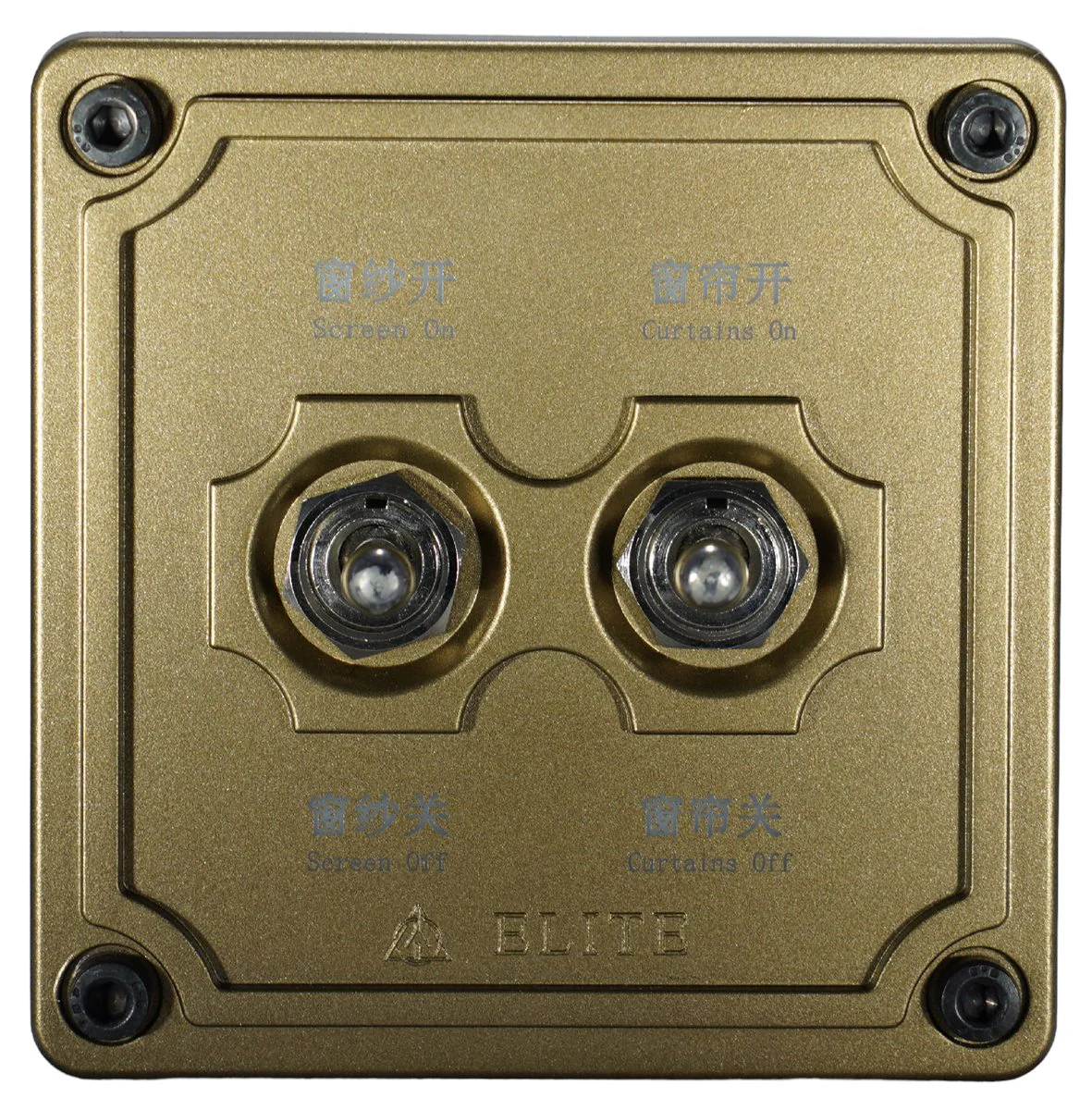
Product
Vintage Gold Four Key Smart Switch Panel
Vintage Gold Series reference for decorative color, icon, and key-layout comparison.
View Product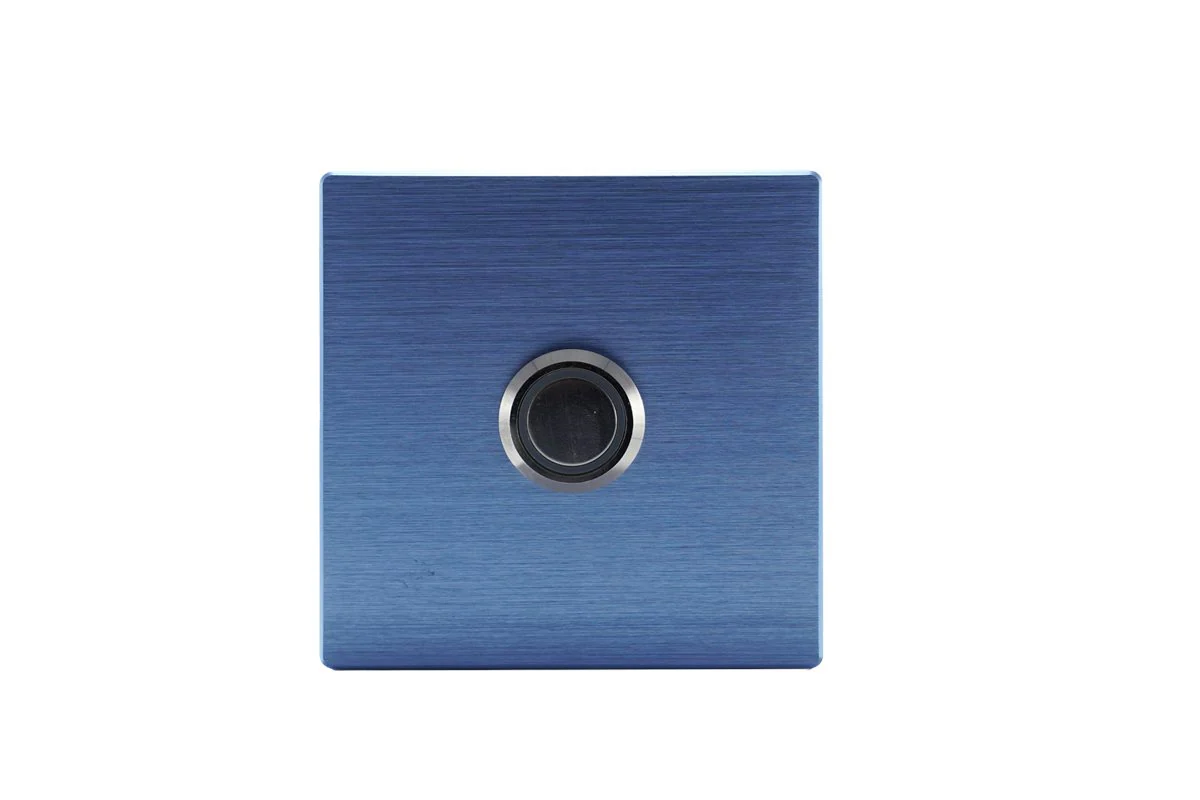
Product
Brushed Aluminum 86 Base Doorbell Panel
Brushed Aluminum Series reference for grain, icon contrast, and corridor-device coordination.
View Product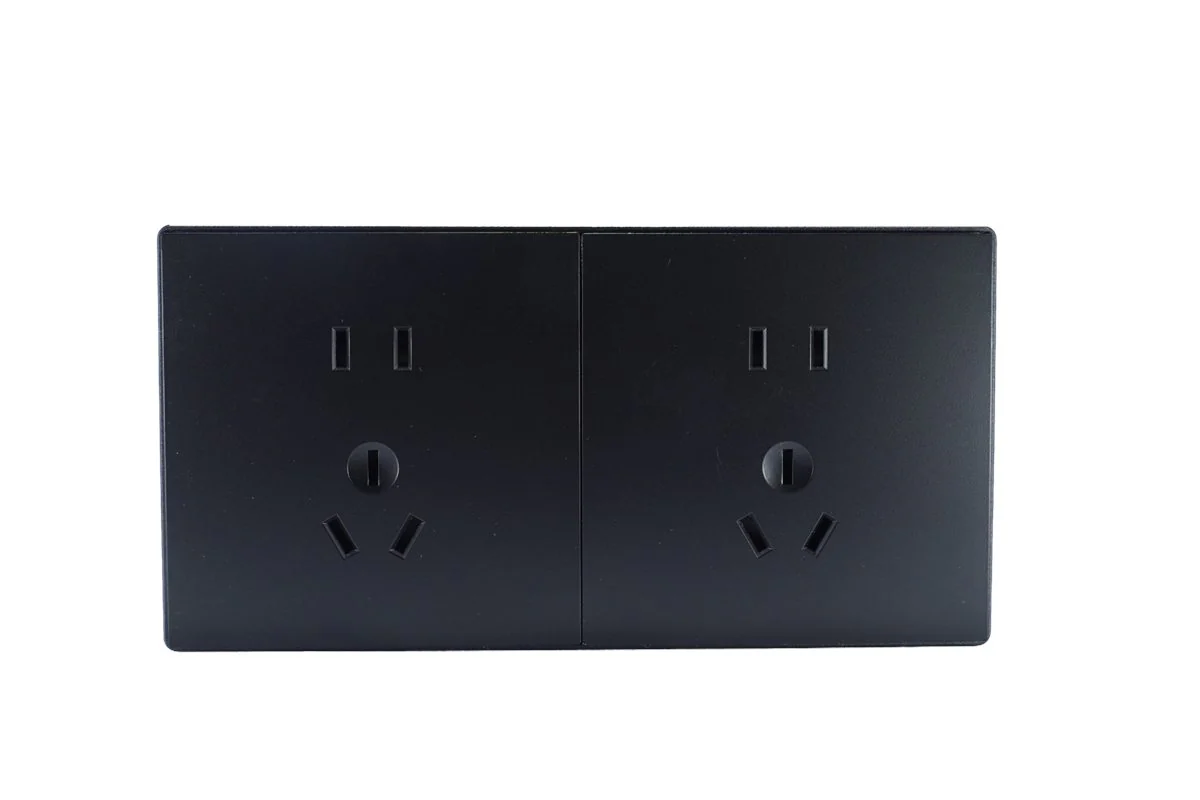
Product
Smart Series Dual Vertical Socket Panel
Smart Series reference for coordinating socket appearance within a wider panel family.
View ProductProject planning
Relevant Solutions
Solution
OEM/ODM Custom Panel Solution
Coordinate product series, color, logo, key layout, finish, sample, and packaging requirements.
View SolutionSolution
Hotel Guest Room Control Solution
Match visible panel choices to the room's control devices, functions, and installation scope.
View SolutionResource library
Continue Reading
OEM/ODM Smart Panel Customization Guide
A customization planning guide for distributors and OEM/ODM buyers evaluating smart panel appearance, functions, documents, samples, and project requirements.
Read GuideOEM/ODM Hotel Control Panel Development Process
A practical workflow for hotel project buyers, brands, distributors, and integrators taking a custom control panel from requirements through prototype review and production preparation.
Read GuideHotel Doorplate and Room Display Buying Guide
A procurement guide to hotel doorplates, room-number displays, doorbells, and configurable DND/MUR indicators for contractors, owners, integrators, and OEM/ODM buyers.
Read GuideProject inquiry
Need help selecting a hotel control solution?
Tell us your hotel type, room count, target market, and required functions. We can recommend suitable control architecture, products, and OEM/ODM options for your project.
- OEM/ODM support by product series and project requirements.
- RCU and smart panel product selection support.