Hotel Doorplate and Room Display Buying Guide
A procurement guide to hotel doorplates, room-number displays, doorbells, and configurable DND/MUR indicators for contractors, owners, integrators, and OEM/ODM buyers.
Overview
This guide is designed for Hotel owner, Contractor, System integrator, OEM/ODM buyer teams preparing early product selection, project quotation, and document review for hotel room control and automation projects.
What a Hotel Doorplate or Room Display Does
A hotel doorplate or room display identifies the guest room and can present selected service or room-status information at the entrance. Depending on the product and approved project configuration, it may combine a room number, doorbell control, Do Not Disturb indication, Make Up Room indication, branding, or other defined status.
The device sits at an important boundary between guest experience, corridor wayfinding, housekeeping workflow, and the room control system. Buyers should assess visibility and appearance together with the electrical and control interface. A visually suitable panel is not procurement-ready until its mounting, power, input, and status logic are confirmed.
Functions vary by model and project. DND, MUR, occupancy, service, and doorbell features should be described as configurable project logic, not as capabilities that every doorplate includes by default. Direct PMS compatibility should not be assumed without a verified interface design.
Common Functions
The required functions should come from the hotel operating concept and room-control schedule. Combining more indicators is not automatically better; clarity, guest privacy, maintenance, and integration effort matter.
Room Number Display
A room number may be fixed, illuminated, or digitally presented depending on the selected product. Buyers should confirm legibility, typography, language, numbering format, corridor lighting conditions, and how a changed room number would be maintained.
Do Not Disturb
DND normally reflects a guest command from an in-room panel or approved room logic. The project should define how the external indication behaves, whether the doorbell is affected, and which staff systems, if any, receive the status.
Make Up Room
MUR can communicate a guest request for room service or housekeeping. The display logic, reset method, staff workflow, and any central reporting should be documented so the indication does not become an isolated light without an operational response.
Doorbell
An integrated doorbell can provide a clear call point at the room entrance. Chime location, power, DND behavior, labeling, accessibility, and connection to the room system must be confirmed for the exact model and project design.
Occupancy or Service Status
Some projects may display additional approved status, but privacy and operational necessity should be reviewed carefully. Occupancy should not be exposed casually in a corridor, and no status should be represented as a life-safety or security indication unless a separate compliant system provides it.
Hotel Branding
Logo, color, icon style, typography, and finish can align the entrance device with the interior design. Artwork and samples should be approved before production, and branding choices must remain legible under real corridor conditions.
Main Product Types
Basic indicator panels focus on a small set of service states, often paired with a separate room number or doorbell. They can suit projects that value simple operation, but the exact connection and included indicators still require model-level confirmation.
Digital room number displays present room identification electronically and may support a broader visual layout. Buyers should verify the display technology, content method, power, mounting, maintenance, and approved functions rather than assume a particular size, resolution, or management capability.
Touch or smart doorplates and integrated doorbell displays can combine more guest-facing functions in one surface. This may simplify the visual arrangement while increasing requirements for interface coordination, artwork, configuration, spare strategy, and commissioning.
Key Buying Factors
Display type should suit the information that must be shown and the way it will be updated. Panel material and finish should match the design intent while remaining practical for cleaning and replacement. Do not infer waterproof, fire, weather, or impact ratings unless verified documentation for the exact product states them.
Confirm mounting method, back-box dimensions, wall build-up, cable entry, power supply, corridor visibility, viewing angle, icon contrast, and maintenance access. Products intended for an indoor hotel corridor should not be described as outdoor devices without explicit product support.
Integration requirements may include simple status inputs, a connection to an RCU, or a broader project-specific interface. Buyers should define what the panel receives and sends, what happens during DND or MUR, and which contractor owns testing. No protocol or PMS connection should be assumed.
Custom Branding and Appearance
Logo, panel color, button or icon layout, room-number style, and overall appearance may be reviewed for OEM/ODM projects. Feasibility depends on the product series, existing molds, artwork, quantity, and project requirements; not every appearance change is available without tooling.
Maintenance and Replacement
Ask how the front panel, electronics, labels, and room number can be serviced or replaced. Standardized mounting and documented room numbering can reduce disruption when a unit needs replacement after the hotel opens.
How Doorplates Connect to the Room Control System
A doorplate may receive DND or MUR status from an in-room panel through the RCU, use dedicated wiring, or participate in another verified control arrangement. The architecture must identify the status source, display destination, power supply, signal type, and any central system that receives the event.
The doorbell can be a local input, an RCU input, or part of an integrated room device, depending on the product. The design should define chime behavior, DND interaction, service access, and testing responsibility. A generic doorplate image cannot establish these electrical requirements.
Request exact datasheets and project-relevant wiring references after shortlisting a model. Voltage, protocol, terminals, and connection method must be confirmed by the responsible engineers and the supplier; this guide does not provide field installation instructions.
Related planning reference: Hotel RCU Wiring and System Architecture Guide.
DND and MUR Logic
A clear status matrix should show what happens when DND is selected, MUR is selected, both commands are attempted, the room is vacant, housekeeping clears a request, or power is restored. The hotel should approve the guest and staff workflow before the indicator behavior is programmed.
DND may suppress or change doorbell behavior in some projects, but that should be an explicit requirement. MUR may appear only at the door or may also be sent to an approved management platform. The available behavior depends on the selected products and integration scope.
Privacy is important. The external panel should expose only the status the hotel has intentionally approved. Occupancy, staff presence, lock state, or other room information should not be added simply because the control system can technically produce an event.
OEM/ODM Customization Options
Common project discussions include logo, panel color, finish, button or icon layout, room-number style, labeling, packaging, and visual adaptation to the hotel interior. The supplier should confirm which options use an existing product series and which require new artwork, engineering, or tooling.
A buyer should provide vector artwork, color references, icon language, numbering rules, required functions, mounting constraints, and expected quantity. A physical sample or controlled pre-production review helps align appearance and function before broader production.
Regular products have no fixed MOQ. If a custom product requires a new mold, a customization fee may apply; changing color with an existing mold does not incur a customization fee. Final availability, samples, and schedule still depend on the selected series and project requirements.
Related planning reference: OEM/ODM Smart Panel Customization Guide, Hotel Smart Switch Panel Guide.
Common Procurement Mistakes
One mistake is approving appearance before confirming back boxes, power, wiring, RCU logic, and corridor visibility. Another is calling every door-side panel a smart display without documenting whether it is a fixed indicator, a room-number display, a doorbell, or an integrated control device.
Projects can also assume that DND and MUR are included by default, that a display connects directly to the PMS, or that an indoor panel has unverified environmental ratings. These assumptions can lead to unsuitable samples, missing gateways, or a status workflow that does not match hotel operations.
Late room-number artwork, inconsistent numbering, unclear icon language, and unapproved colors can delay production. Create an approval register for product model, functions, artwork, finish, mounting, wiring, and sample status before the order is released.
Information to Provide to a Supplier
Provide room quantity and types, corridor design references, required room-number format, DND/MUR and doorbell behavior, panel dimensions or mounting constraints, voltage, wiring or RCU information, finish direction, logo files, icon language, packaging needs, and required documents.
State whether the doorplate is part of a new room control package or must coordinate with an existing system. Identify any verified third-party interface and the party responsible for it. If compatibility is still under review, describe the required data or status rather than naming an unsupported protocol.
Share the target sample and order schedule. Typical lead time is 7–15 days depending on product and order requirements, while artwork, samples, tooling, project documents, quantity, and logistics can affect the final plan.
Project Buying Checklist
Confirm product type, room-number method, required indicators, DND/MUR sequence, doorbell behavior, display and finish, mounting, power, RCU connection, central-system boundary, privacy rules, artwork, sample approval, documents, spares, packaging, and installation responsibility.
Verify every claim against the exact product. Do not add assumed protocols, display dimensions, resolutions, environmental ratings, outdoor suitability, or direct PMS compatibility. Record open items and assign each to the hotel, consultant, contractor, integrator, or supplier for closure.
Send the completed schedule with drawings and quantities when requesting a quote. DualCoreLink can review relevant doorbell, room-status, smart panel, RCU, and customization options by project request.
Safe B2B scope
- Supports B2B hotel project inquiries.
- Product selection support is available for hotel owners, contractors, system integrators, distributors, and OEM/ODM buyers.
- Documents can be reviewed by product and project request.
- Voltage and protocol requirements should be confirmed by project.
- OEM/ODM customization is available depending on product series and project requirements.
- Regular products have no fixed MOQ.
- Typical lead time is 7-15 days depending on product and order requirements.
Product discovery
Recommended Products
Review a focused set of products that relates to the planning topics in this guide. Final selection should be confirmed against project wiring, voltage, protocol, and room-function requirements.
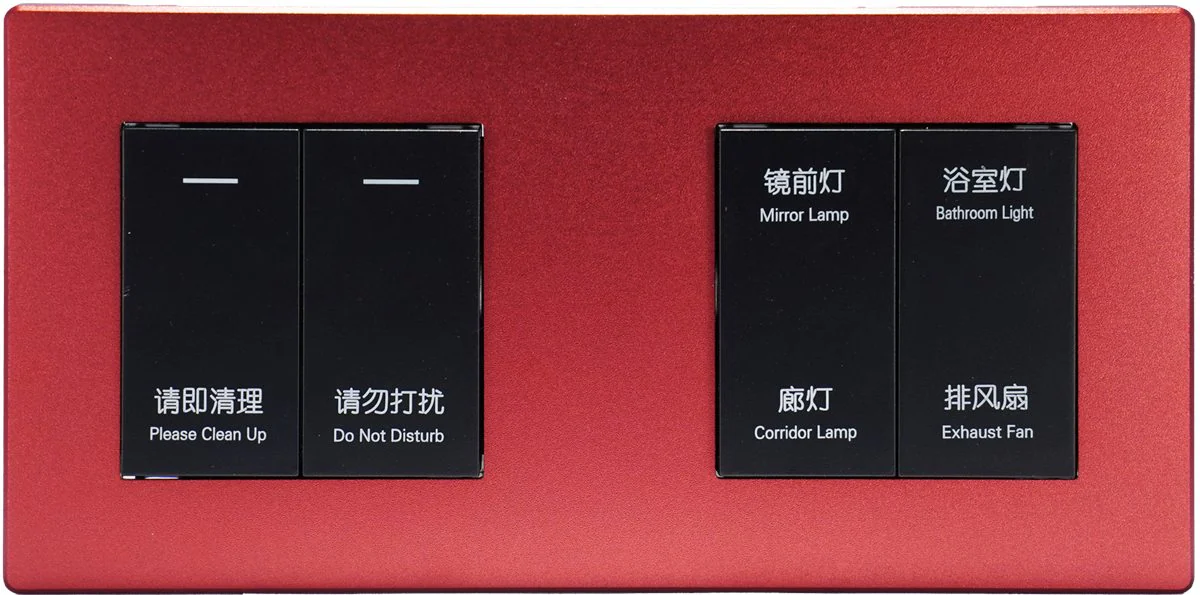
Product
Borui Red Matte Room Status Four Key Switch Panel
Room-status panel for reviewing guest service commands and coordinated visual design.
View Product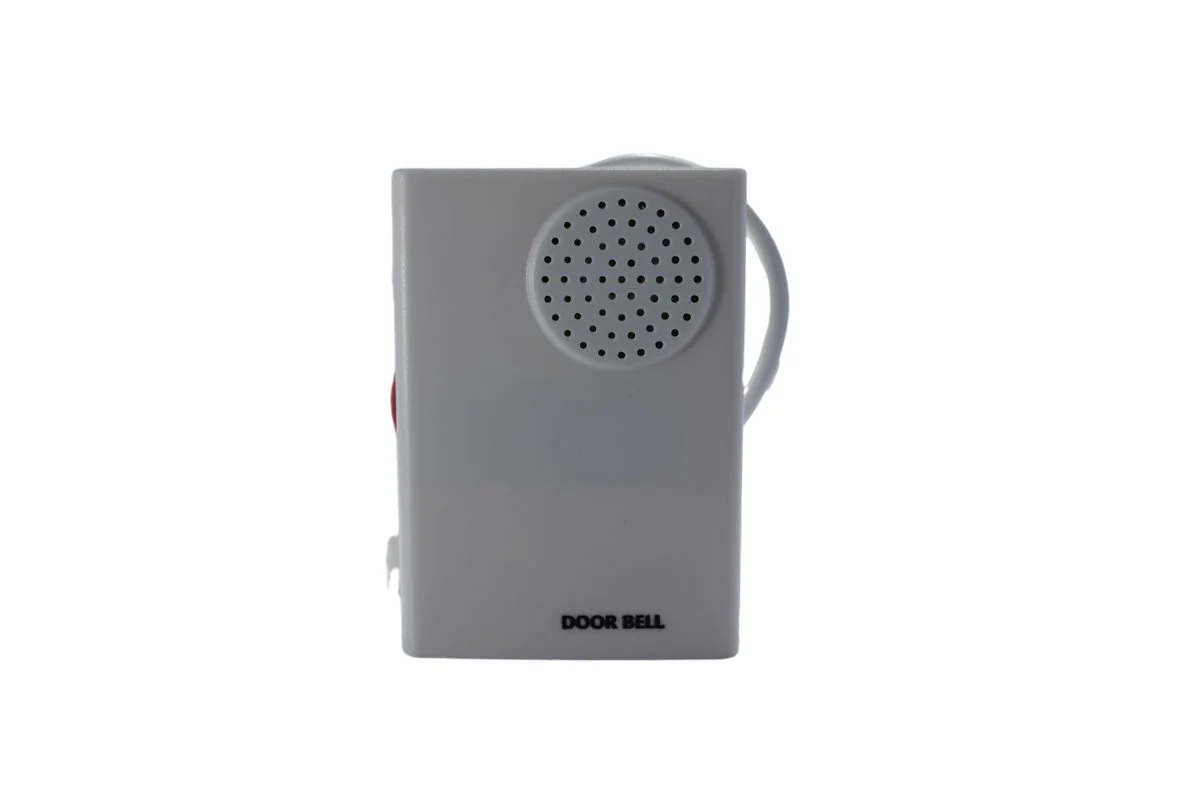
Product
Hotel Guest Room Doorbell
Door-side call device for approved guest room entrance and DND workflow planning.
View Product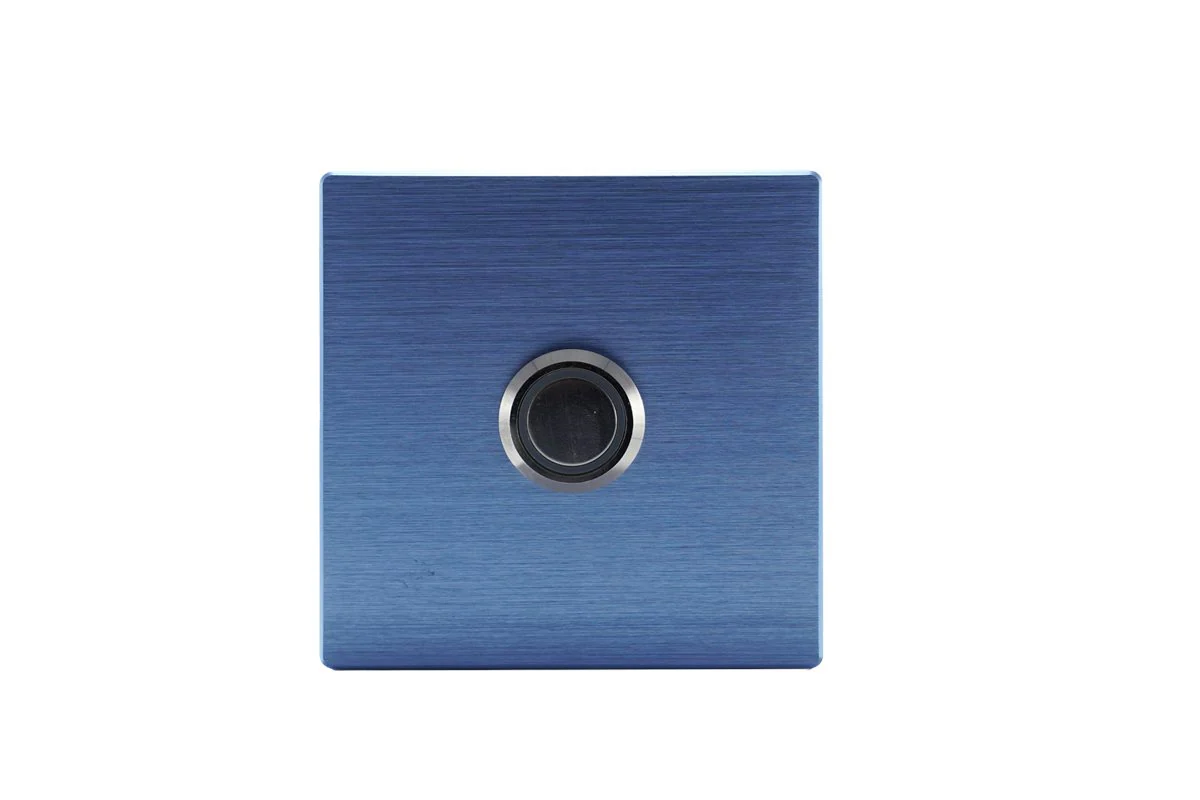
Product
Brushed Aluminum 86 Base Doorbell Panel
Brushed aluminum doorbell panel for material, mounting, and labeling review.
View Product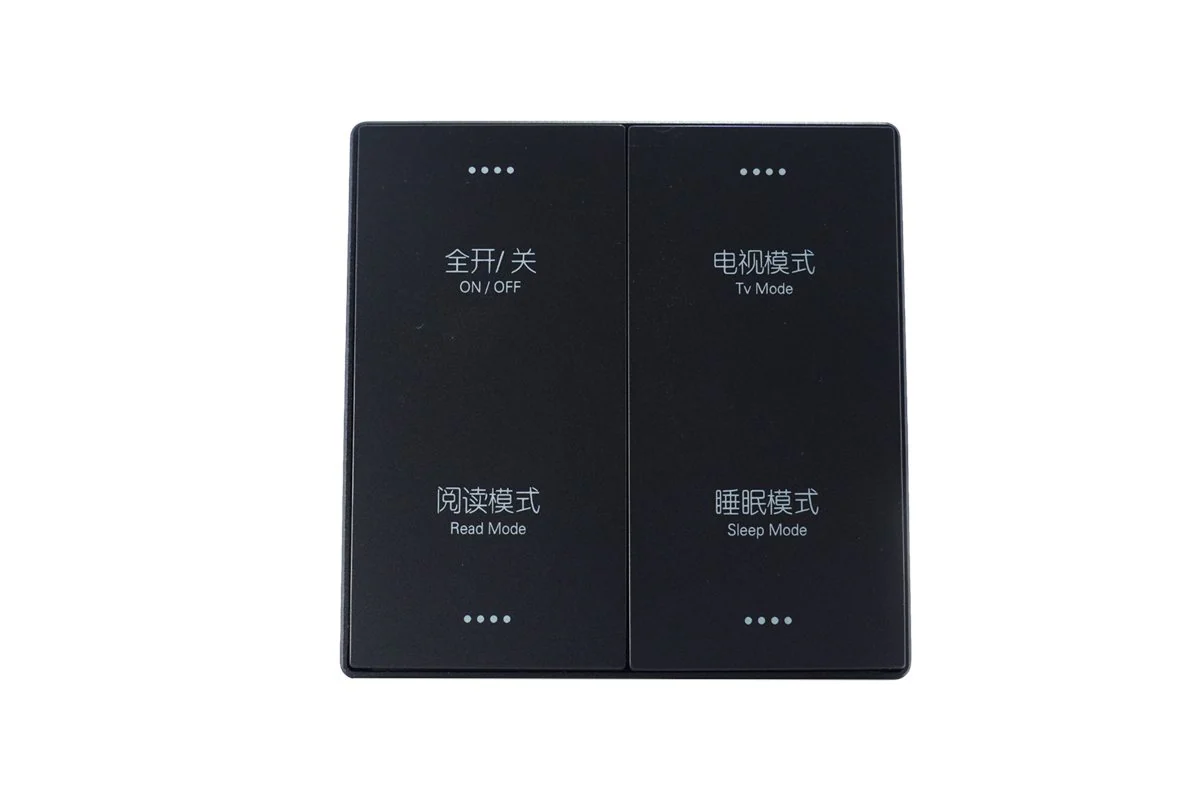
Product
Smart Four Key Scene Control Panel
In-room guest control panel that can provide approved commands to room-status logic.
View ProductProject planning
Relevant Solutions
Solution
Hotel Guest Room Control Solution
Coordinate door-side service status with guest controls, room logic, sensing, and operational workflows.
View SolutionSolution
Smart Hotel Automation Solution
Plan connected room and hotel functions across control devices and management requirements.
View SolutionSolution
OEM/ODM Custom Panel Solution
Review logo, color, icon layout, finish, samples, and project adaptation for entrance panels.
View SolutionResource library
Continue Reading
Smart Panel Material and Finish Selection Guide
A buyer and designer guide to comparing panel materials, visible finishes, color behavior, key layouts, maintenance questions, and physical sample approval.
Read GuideHotel Renovation Smart Room Upgrade Guide
A renovation-focused guide for surveying existing guest rooms, defining an upgrade scope, reducing construction risk, and preparing a pilot before wider hotel deployment.
Read GuideHotel Smart Switch Panel Guide
A focused guide to smart switch panel selection for hotel rooms, including appearance, functions, wiring review, OEM/ODM needs, and inquiry preparation.
Read GuideProject inquiry
Need help selecting a hotel control solution?
Tell us your hotel type, room count, target market, and required functions. We can recommend suitable control architecture, products, and OEM/ODM options for your project.
- OEM/ODM support by product series and project requirements.
- RCU and smart panel product selection support.