OEM/ODM Hotel Control Panel Development Process
A practical workflow for hotel project buyers, brands, distributors, and integrators taking a custom control panel from requirements through prototype review and production preparation.
Overview
This guide is designed for OEM/ODM buyer, Distributor, System integrator, Contractor, Hotel owner teams preparing early product selection, project quotation, and document review for hotel room control and automation projects.
What OEM and ODM Mean for Hotel Control Panels
OEM and ODM projects can cover very different levels of change. An OEM request may focus on applying a buyer's brand, approved color, icons, or packaging to an existing product platform. An ODM request can involve a broader review of appearance, key layout, functions, interfaces, materials, and production feasibility. Buyers should define the expected outcome rather than rely on the label alone, because the required engineering work depends on the actual scope.
For hotel control panels, visible design and electrical behavior must be reviewed together. A panel may need to match the interior concept while also fitting a wall box, wiring method, control host, room function list, voltage, and installation workflow. A realistic development brief therefore covers both the guest-facing experience and the technical boundary of the selected product series.
Customization remains subject to product-series and project review. It should not be assumed that every protocol, function, material, or appearance can be added to every existing model. Early feasibility confirmation protects the buyer from approving artwork that cannot be matched to the intended hardware or installation method.
Related planning reference: OEM/ODM Smart Panel Customization Guide.
Typical Development Stages
A controlled development process turns an initial idea into a reviewable product definition before production commitments are made. The stages may overlap, but each should produce a clear decision or approved record. Skipping requirement confirmation or sample approval usually creates more revisions later, especially when several stakeholders review appearance and engineering separately.
Requirement Collection
Begin with the target market, hotel type, room functions, expected quantity, installation dimensions, electrical requirements, preferred appearance, branding scope, documents, and target schedule. Reference photos can explain style, but dimensional drawings, function schedules, and known interface requirements are more useful for feasibility review.
Product and Function Definition
Agree which existing platform is being evaluated and list every required key, indicator, socket, thermostat, service-status, or control function. Voltage, wiring, protocol, and host-controller requirements must be confirmed by the project. A function list should distinguish mandatory items from optional ideas so the first sample has a stable target.
Appearance and Material Selection
Select a product series, color direction, visible finish, and material option from confirmed choices. Screen images and color codes help communication but do not replace a physical sample, because gloss, texture, edge details, and color can appear different under hotel lighting.
Logo, Icon and Key Layout Design
Prepare vector artwork, icon labels, language requirements, key order, indicator behavior, and any printing or engraving references. The layout must remain legible and usable within the real faceplate dimensions. Branding approval should include the hotel or buyer team that owns the artwork rights.
Electrical and Interface Confirmation
Confirm supply conditions, loads, terminals, wall-box dimensions, wiring relationships, host or RCU connection, and any integration boundary. Protocol support depends on the exact product and project design; it should be documented rather than inferred from another model in the same visual family.
Prototype Development
The prototype should represent the approved scope closely enough to review appearance, dimensions, key labels, basic functions, connection points, and installation fit. A prototype is a decision tool, not automatic evidence that every production detail or external system integration has already been validated.
Sample Review and Revision
Collect feedback in one revision list with photographs, marked drawings, and clear acceptance criteria. Separate defects from preference changes and identify who can approve the final sample. Repeated informal comments from different teams can extend development and create conflicting instructions.
Tooling or Existing-Mold Confirmation
Confirm whether the approved design uses an existing mold or needs new tooling. Existing-mold changes may still require artwork, sample, finish, or function review. New tooling requires its own cost, schedule, ownership, maintenance, and revision discussion before production planning.
Pilot and Mass Production Preparation
A pilot quantity can verify the approved bill of materials, assembly flow, appearance control, labels, packaging, and inspection record before the main order. Mass production should start from the signed sample and released specification, with changes controlled rather than introduced through informal messages.
Packaging and Delivery Preparation
Finalize labels, manuals, accessory lists, carton marks, protective packaging, document requests, and shipment planning. Typical lead time is 7-15 days depending on product type, customization requirements, and order quantity, but development, tooling, sample approval, and pilot stages can add time before an order enters its production window.
Information a Buyer Should Prepare
A useful brief includes company and project context, target country, hotel category, room count, estimated order quantity, target product series, installation dimensions, room functions, voltage, wiring or protocol needs, color and finish direction, logo files, key labels, packaging needs, required documents, sample quantity, and target milestone dates. Unknown items should be marked as open decisions instead of filled with assumptions.
Room elevations, wall-box drawings, reflected ceiling plans, RCU schedules, panel schedules, BOQ files, and interface descriptions can reduce ambiguity. Buyers should also identify whether the request is for a single panel, a coordinated panel family, or a complete guest-room package, because matching several visible devices may require a broader sample and artwork review.
A named technical contact and a named design or brand approver make revisions more efficient. The supplier should know which comments affect electrical behavior, which affect appearance, and which are commercial preferences. This helps keep sample acceptance separate from quotation negotiation.
Existing Mold vs New Tooling
An existing mold is usually the first route to evaluate when dimensions and general appearance meet the project. Under the current purchasing terms, regular products have no fixed MOQ. If an existing mold is used and only the color is changed, no customization fee is required. Other changes can still require review because artwork, function, material, packaging, or sample work may differ from a color-only request.
A new enclosure shape, mounting arrangement, dimension, or structural part may require new tooling. Custom products may then carry a customization or tooling fee, and quantity requirements depend on the specific project. The quotation should state what the tooling covers, whether revisions are included, how samples are approved, and whether the selected design can move into production with the requested quantity.
Choosing between the two routes is not purely a price decision. Existing molds can shorten structural development, while new tooling may better support a distinctive product family. Buyers should compare brand value, technical fit, schedule, quantities, approval capacity, and long-term product plans before asking for a tooling commitment.
Customization Options
Customization can include color, logo, key layout, icons and labels, material or surface finish, selected product functions, and packaging. Each option should be tied to a confirmed product series. A color or logo change is different from changing terminals, communication behavior, load control, screen content, or enclosure dimensions, so the quotation and schedule should separate visual and functional work.
Panel families often require consistency across switches, thermostats, doorplates, sockets, and service controls. Buyers should review alignment, proportions, visible finish, icon style, label language, and lighting together. A visually coordinated family can still contain different internal hardware, so each model needs its own technical confirmation.
Packaging customization should define product name, model reference, barcode or label needs, accessory list, manual language, carton marking, and artwork approval. No packaging claim should imply certifications or compliance that have not been verified for the exact product and target market.
Related planning reference: Smart Panel Material and Finish Selection Guide.
Factors That Affect Development Time
Timing depends on requirement quality, existing-platform fit, engineering complexity, artwork readiness, sample material availability, tooling needs, number of revision rounds, integration questions, pilot quantity, packaging scope, and approval speed. A typical 7-15 day lead time applies to production depending on the product and order requirements; it should not be presented as a guarantee for the complete development cycle.
Projects move faster when decisions are sequenced. First freeze dimensions and functions, then review appearance and artwork, then approve the technical and visual sample, and finally release packaging and production records. Changing a key function after artwork or tooling approval can reopen several completed steps.
Common OEM/ODM Project Mistakes
Common mistakes include requesting a quote without dimensions or quantities, assuming every visual series shares the same functions, treating reference images as production drawings, approving color only on a screen, and asking production to begin before one sample owner has signed off. Another risk is declaring a protocol or external-system requirement late, after the panel platform has already been selected.
Buyers should also avoid assuming that all customization is free or has no quantity requirement. The current rule is narrower: regular products have no fixed MOQ, color-only changes on an existing mold have no customization fee, and new molds may require customization or tooling fees. Custom quantities and feasibility remain project-specific.
How to Review a Prototype
Review the prototype against the approved specification, not memory. Check dimensions, mounting fit, visible gaps, finish under expected lighting, logo placement, icon clarity, key order, tactile or touch behavior, indicators, terminals, wiring labels, and the agreed functions. Photograph the sample in consistent light and keep the marked approval record with the project files.
Technical tests should match the intended product scope and be carried out by qualified personnel. A panel sample cannot by itself prove compatibility with an untested RCU, PMS, BMS, KNX installation, or other external system. Integration acceptance needs the actual devices, interfaces, configuration, and responsible engineering parties defined by the project.
Questions to Ask a Manufacturer
Ask which product series supports the requested change, what remains standard, whether an existing mold fits, what artwork format is required, how samples are approved, which functions and interfaces are confirmed, whether new tooling is needed, what quantity assumptions apply, and which files control production. Request separate milestones for sample, tooling, pilot, and order production when those stages are relevant.
Also confirm document availability by product and project request, packaging responsibilities, revision limits, inspection references, and the information needed for quotation. Clear questions create a traceable scope without relying on broad promises about cost, delivery, protocol support, or compliance.
OEM/ODM Project Checklist
Before quotation, confirm market, quantities, product family, room functions, dimensions, voltage, wiring and protocol needs, appearance direction, logo, labels, packaging, documents, and schedule. Before sampling, freeze the requirement list and artwork owner. Before production, approve the physical sample, bill of materials reference, packaging, pilot outcome, and delivery assumptions.
This staged checklist helps a buyer compare suppliers on scope clarity and execution readiness rather than on a single headline price. The next practical step is to send the selected series, drawings, quantities, customization list, and approval timeline for a product- and project-specific review.
Related planning reference: Hotel Room Control System Cost Factors.
Safe B2B scope
- Supports B2B hotel project inquiries.
- Product selection support is available for hotel owners, contractors, system integrators, distributors, and OEM/ODM buyers.
- Documents can be reviewed by product and project request.
- Voltage and protocol requirements should be confirmed by project.
- OEM/ODM customization is available depending on product series and project requirements.
- Regular products have no fixed MOQ.
- Typical lead time is 7-15 days depending on product and order requirements.
Product discovery
Recommended Products
Review a focused set of products that relates to the planning topics in this guide. Final selection should be confirmed against project wiring, voltage, protocol, and room-function requirements.
Product
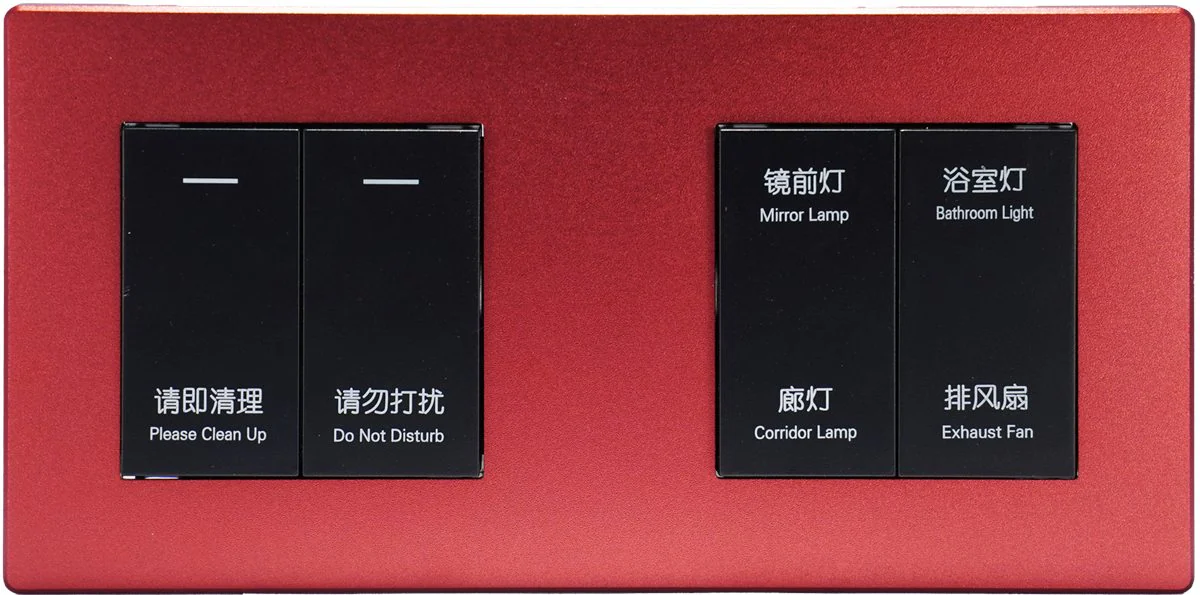
Borui Red Matte Room Status Four Key Switch Panel
Red matte Borui Series reference for reviewing room-status keys, icons, branding, and finish direction.
View Product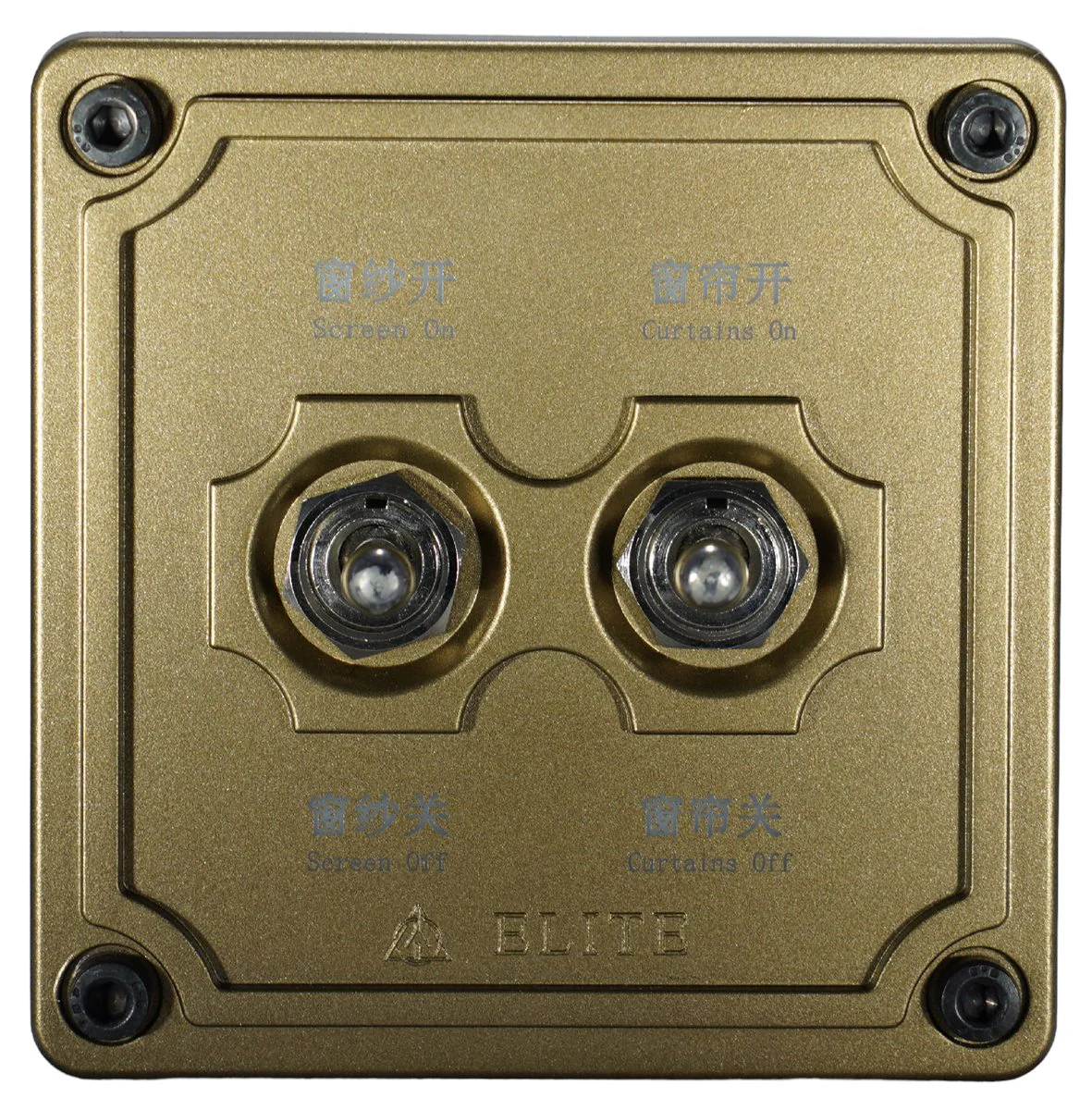
Product
Vintage Gold Four Key Smart Switch Panel
Vintage Gold Series panel reference for decorative finish and four-key layout discussions.
View Product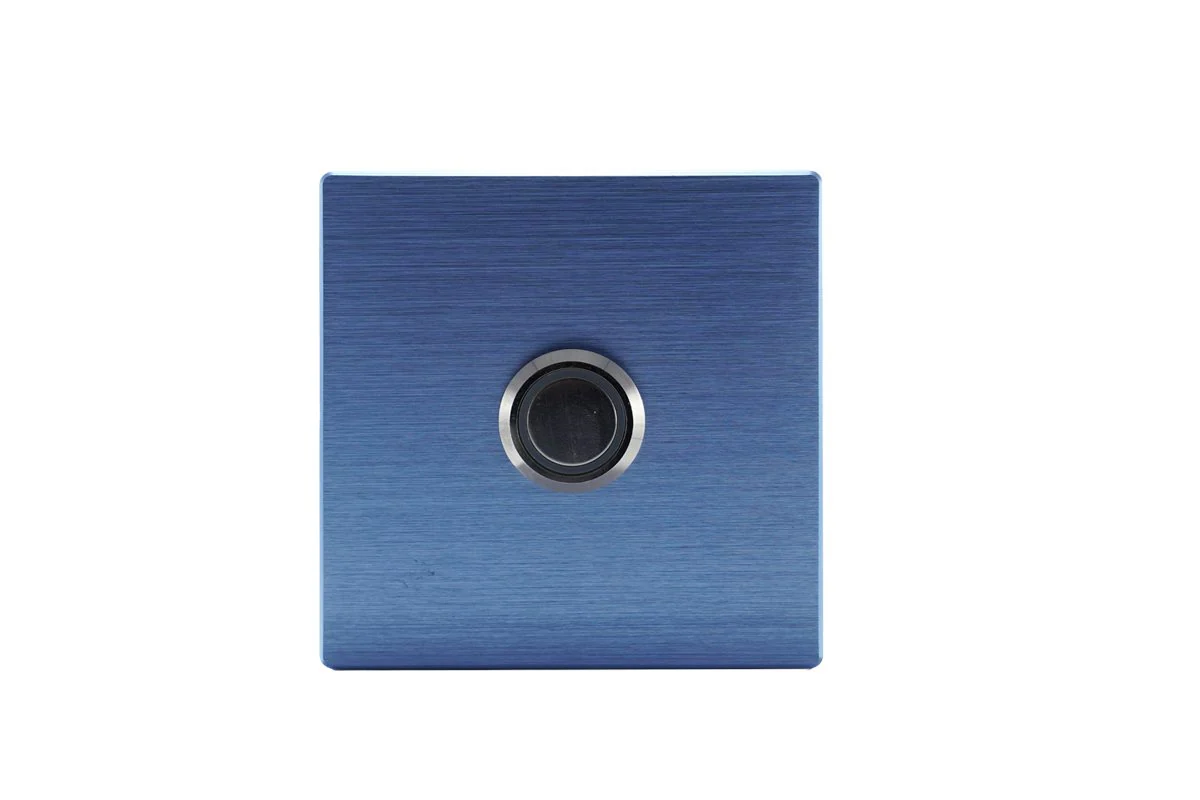
Product
Brushed Aluminum 86 Base Doorbell Panel
Brushed Aluminum Series reference for metal-finish, icon, and door-device coordination.
View Product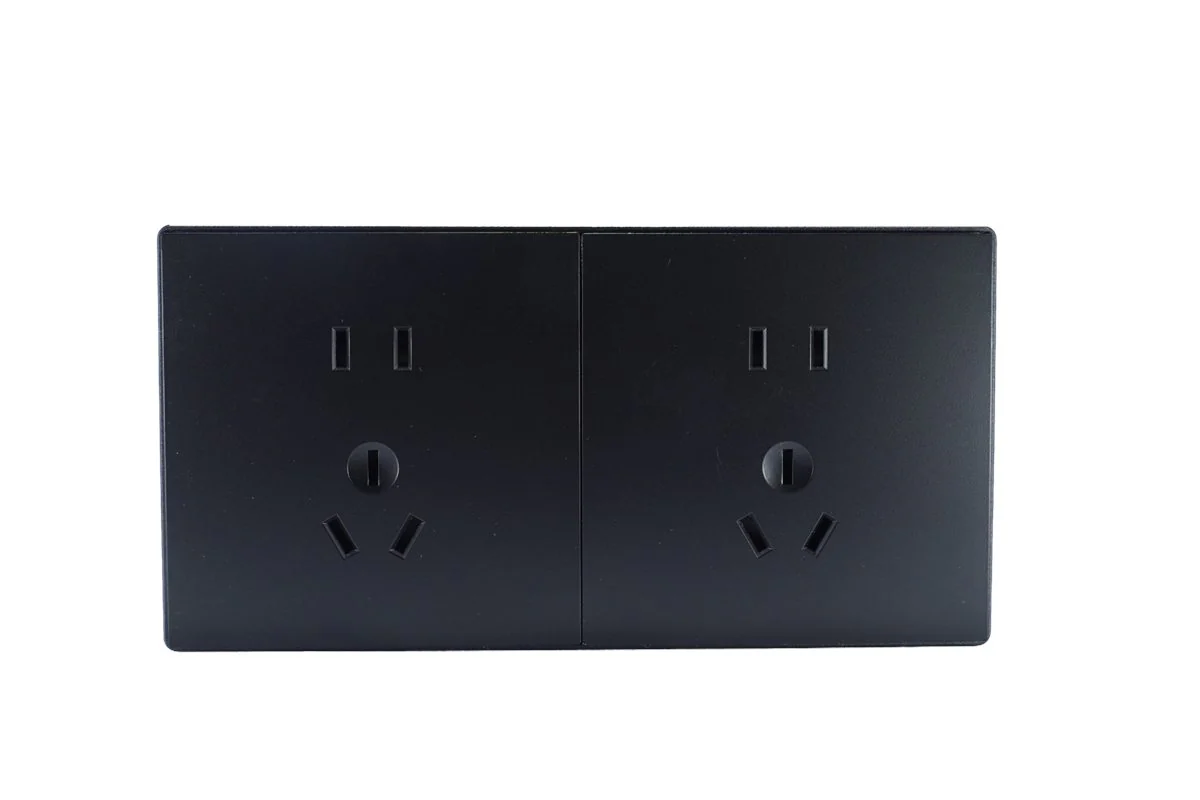
Product
Smart Series Dual Vertical Socket Panel
Smart Series reference for coordinating socket appearance with a customized panel family.
View ProductProject planning
Relevant Solutions
Solution
OEM/ODM Custom Panel Solution
Plan color, logo, key layout, finish, sample, and packaging requirements around a confirmed panel series.
View SolutionSolution
Hotel Guest Room Control Solution
Coordinate customized panels with the wider guest room control device and function scope.
View SolutionResource library
Continue Reading
OEM/ODM Smart Panel Customization Guide
A customization planning guide for distributors and OEM/ODM buyers evaluating smart panel appearance, functions, documents, samples, and project requirements.
Read GuideSmart Panel Material and Finish Selection Guide
A buyer and designer guide to comparing panel materials, visible finishes, color behavior, key layouts, maintenance questions, and physical sample approval.
Read GuideHotel Smart Switch Panel Guide
A focused guide to smart switch panel selection for hotel rooms, including appearance, functions, wiring review, OEM/ODM needs, and inquiry preparation.
Read GuideProject inquiry
Need help selecting a hotel control solution?
Tell us your hotel type, room count, target market, and required functions. We can recommend suitable control architecture, products, and OEM/ODM options for your project.
- OEM/ODM support by product series and project requirements.
- RCU and smart panel product selection support.