Hotel Occupancy Sensor Selection Guide
A buyer-focused guide to selecting occupancy and presence sensing for guest rooms, bathrooms, entrances, corridors, and public areas without overstating detection performance.
Overview
This guide is designed for Hotel owner, Contractor, System integrator, Project buyer teams preparing early product selection, project quotation, and document review for hotel room control and automation projects.
What Occupancy Sensors Do in Hotels
Occupancy sensors help a room control system infer whether a space is in use. Depending on the approved project logic, that information may support lighting scenes, HVAC setback decisions, housekeeping status, or other non-life-safety automation. The sensor provides an input; the RCU or control platform determines how that input is interpreted.
A hotel environment is more complex than a simple office timer. Guests may sleep, read quietly, remain in a bathroom, leave a door open briefly, or enter and exit in groups. Selection should therefore start with the operational question the project needs to answer, not with a claim that one detector can identify every condition without error.
Occupancy sensing must not be presented as a replacement for fire detection, access control, security monitoring, emergency call, or other life-safety systems. Privacy should remain central: room automation should rely on appropriate non-imaging detection and documented status logic rather than intrusive monitoring.
Occupancy Detection vs Presence Detection
Occupancy detection commonly identifies movement or a combination of room events to determine that a space is likely occupied. Presence detection is generally intended to recognize finer activity or continued human presence, including lower-motion situations. The terms are sometimes used loosely, so buyers should ask what the actual sensing technology and logic can detect.
A PIR detector responds to changes in infrared energy across its detection zones and may be well suited to movement-based occupancy. Microwave sensing uses reflected radio-frequency energy and can detect motion differently, sometimes through or beyond materials depending on installation conditions. Combined devices may use more than one method to balance sensitivity and false-trigger risk.
No technology should be selected by label alone. Detection behavior depends on the exact model, mounting position, room geometry, sensitivity settings, environmental conditions, and control logic. Verified product documentation and a representative-room test are more useful than an unqualified range or angle claim.
Common Sensor Technologies
Hotel projects can use a single detector, a door contact combined with a detector, or a multi-sensor sequence. Each method creates different evidence about room use and requires a suitable response from the control system.
PIR
Passive infrared sensing detects changes in heat patterns as a person moves across detection zones. It is widely used for movement-based control, but room layout, partitions, line of sight, mounting, and low-motion occupancy can affect performance.
Microwave
Microwave sensing can respond to movement through reflected energy and may detect subtle motion in suitable conditions. Sensitivity and the possibility of detecting activity outside the intended area must be considered during placement and commissioning.
Combined Detection
A combined detector can use multiple sensing methods or fuse several inputs. The project should confirm whether the logic requires both methods, either method, or a configurable sequence, because those choices affect response and nuisance triggers.
Door Contact-Based Logic
A door contact reports an opening or closing event, not human presence. Used with a room sensor and timing logic, it can help the system interpret entry and exit patterns, but it should not be treated as proof that the room is empty.
Multi-Sensor Room Logic
Multi-sensor logic may combine door events, movement or presence detection, key-card status, panel commands, and time conditions. The sequence should be documented and tested against real guest behavior before broad deployment.
Key Selection Factors
Begin with the intended detection area and mounting position. Ceiling height, wall location, furniture, bathroom partitions, curtains, air movement, door swing, and the expected path of travel can all change what a sensor observes. A reflected ceiling plan and room layout should accompany the selection request.
Consider false-trigger sources and missed-detection risks together. Adjacent corridor movement, moving curtains, HVAC airflow, heat sources, reflective surfaces, or activity beyond a lightweight partition may affect certain technologies. The goal is not a promise of zero false alarms but a tested configuration with reasonable behavior for the application.
Also confirm response time, hold time, sensitivity adjustment, integration method, power requirement, operating environment, appearance, maintenance access, and privacy expectations. Do not insert detection distance or angle values unless they come from the verified datasheet for the exact model.
Recommended Sensor Logic by Hotel Area
Different hotel spaces create different occupancy patterns. The correct approach should be agreed by the project team and tested in context rather than copied from one room type to every area.
Guest Room
Guest rooms need logic that respects sleeping and low-motion activity. Door status, presence sensing, manual guest commands, and conservative timing may be combined so comfort is not interrupted by a single missing motion event.
Bathroom
Bathrooms may have partitions, humidity, limited mounting positions, and short periods of low motion. The selected product must be suitable for the actual environment, and the control response should avoid abrupt loss of lighting during normal use.
Entrance Area
An entrance detector can support welcome scenes or entry sequences when coordinated with the door contact. The project should distinguish a person entering from a door merely being opened for service or inspection.
Corridor
Corridors require coverage and timing suited to directional movement, intersections, lifts, and service traffic. Guest-room privacy boundaries and unintended detection through doorways should be considered during positioning.
Public Area
Lobbies, meeting spaces, and service areas have varied occupancy density and operating schedules. Zoning, manual override, event use, cleaning, and maintenance access may be more important than applying a single room-style sensor rule.
How Sensors Work with an RCU
The sensor sends a verified signal or status to the RCU or another control input. The RCU then evaluates that input with timing, door state, guest commands, room mode, or other project-defined conditions. Buyers should request an input-and-logic description instead of assuming that connecting a sensor automatically creates suitable energy or comfort behavior.
The interface may differ by product and architecture. Power supply, signal type, communication method, address configuration, and supported logic must be checked against the exact sensor and RCU documentation. This guide does not claim that every sensor works with every host or protocol.
A typical-room mockup should test entry, quiet occupancy, sleeping, bathroom use, housekeeping, open-door conditions, repeated movement, and manual override. Results should be reviewed by hotel operations as well as the engineering team before settings are copied to other rooms.
Related planning reference: Hotel Guest Room Automation Guide, Hotel RCU Wiring and System Architecture Guide.
Common Selection Mistakes
A common mistake is treating PIR, microwave, and presence detection as identical. Another is selecting from a headline range without reviewing mounting, partitions, adjacent spaces, sensitivity, and the behavior of the actual room-control logic.
Projects can also fail when a door contact is used as the only occupancy indicator, sensor timeout is too aggressive, bathroom behavior is ignored, or the same placement is copied to different room layouts. A detector can be technically functional while the resulting guest experience is still unsuitable.
Finally, avoid using occupancy sensors for purposes they were not designed to serve. They should not be represented as fire, security, medical, emergency, or surveillance systems, and they should not drive intrusive monitoring practices in guest spaces.
Questions to Ask a Sensor Supplier
Ask which sensing technology the exact model uses, its intended mounting method and environment, how sensitivity and delay are configured, what power and interface it requires, and which RCU or control inputs have been verified. Request the current datasheet and installation guidance for the specific product.
Describe the room geometry and target logic. Ask how the supplier recommends handling low motion, bathroom separation, adjacent movement, door events, manual override, and representative-room testing. The supplier should identify assumptions instead of promising that the device can never miss presence or trigger incorrectly.
For procurement, confirm finish, quantity, sample review, documentation, packaging, and lead time. Product selection support and documents can be reviewed by project request, while final placement and system logic should be approved by the responsible project professionals.
Project Selection Checklist
Define the area, use case, room layout, mounting options, detection objective, acceptable response, privacy boundary, integration method, power source, operating environment, and maintenance access. Identify which other signals the RCU will use and how a manual command overrides automation.
Shortlist only products with verified documentation for the intended use. Plan a typical-room test, record settings, test realistic guest and housekeeping scenarios, and establish who approves the final logic. Do not publish unverified detection ranges or copy settings between materially different room types.
Send room plans, sensor locations, target automation functions, RCU information, and project requirements with the inquiry. This gives the supplier enough context to recommend a practical sensor direction without overstating performance.
Safe B2B scope
- Supports B2B hotel project inquiries.
- Product selection support is available for hotel owners, contractors, system integrators, distributors, and OEM/ODM buyers.
- Documents can be reviewed by product and project request.
- Voltage and protocol requirements should be confirmed by project.
- OEM/ODM customization is available depending on product series and project requirements.
- Regular products have no fixed MOQ.
- Typical lead time is 7-15 days depending on product and order requirements.
Product discovery
Recommended Products
Review a focused set of products that relates to the planning topics in this guide. Final selection should be confirmed against project wiring, voltage, protocol, and room-function requirements.
Product
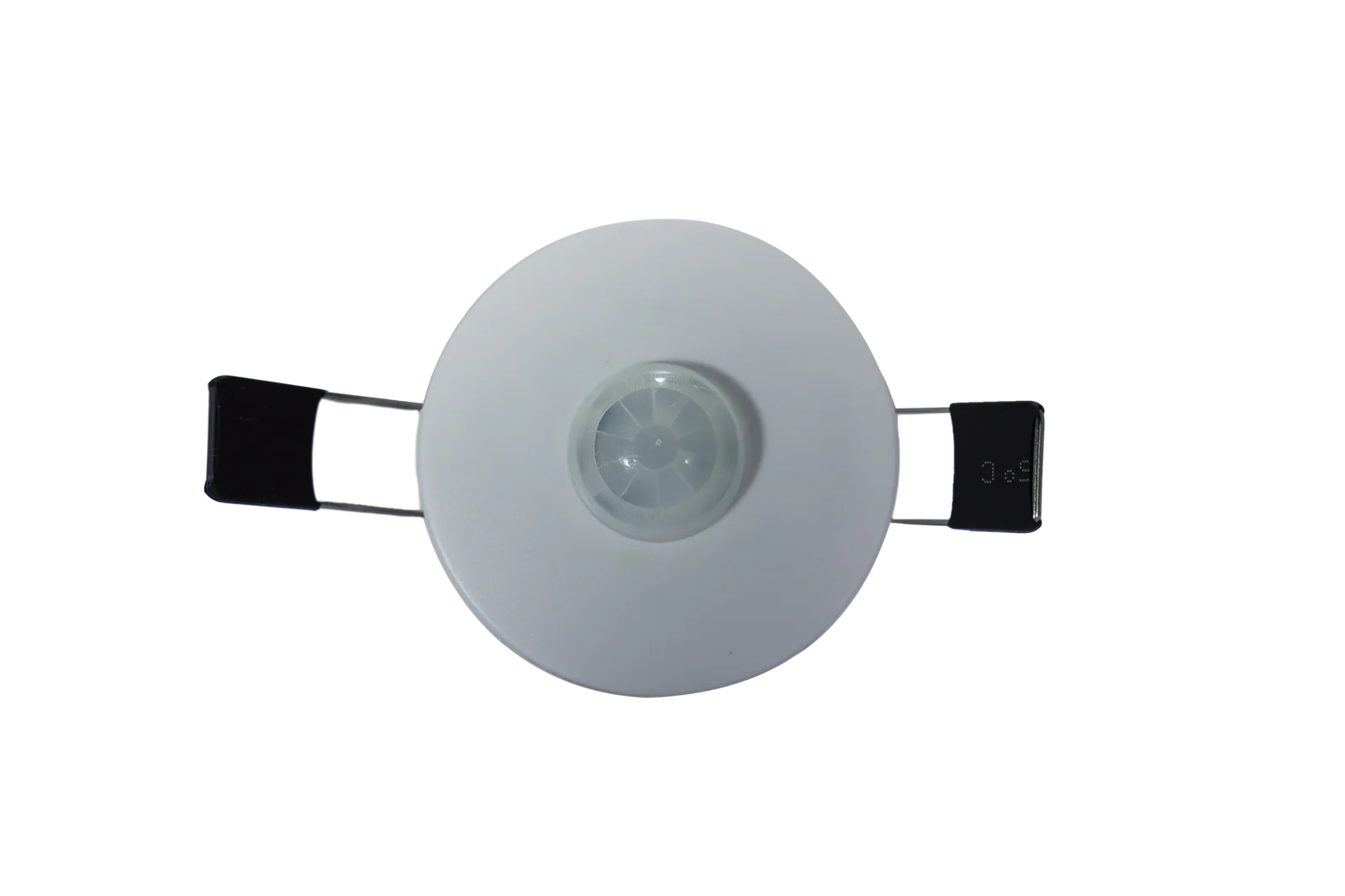
Embedded Human Presence Sensor
Presence sensing option for project-specific room automation and occupancy logic review.
View Product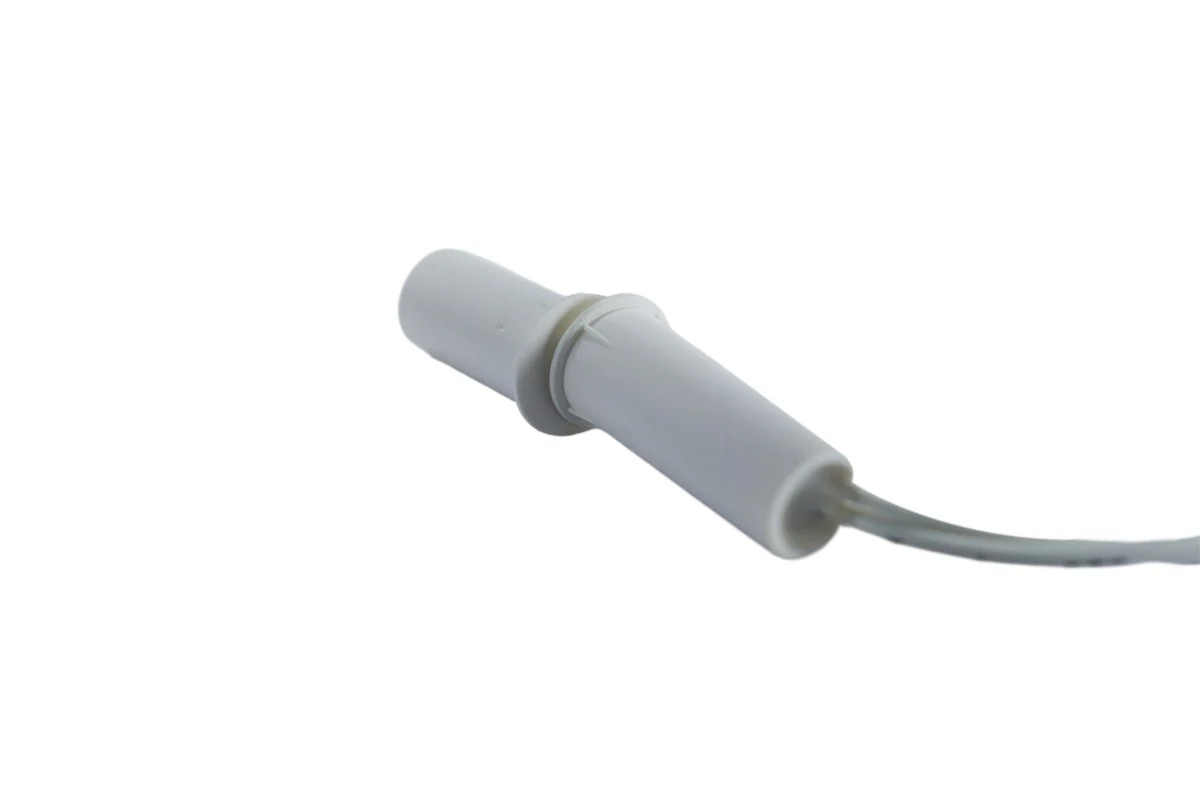
Product
Hotel Room Door Magnetic Sensor
Door-event input that can complement, but not replace, occupancy detection.
View Product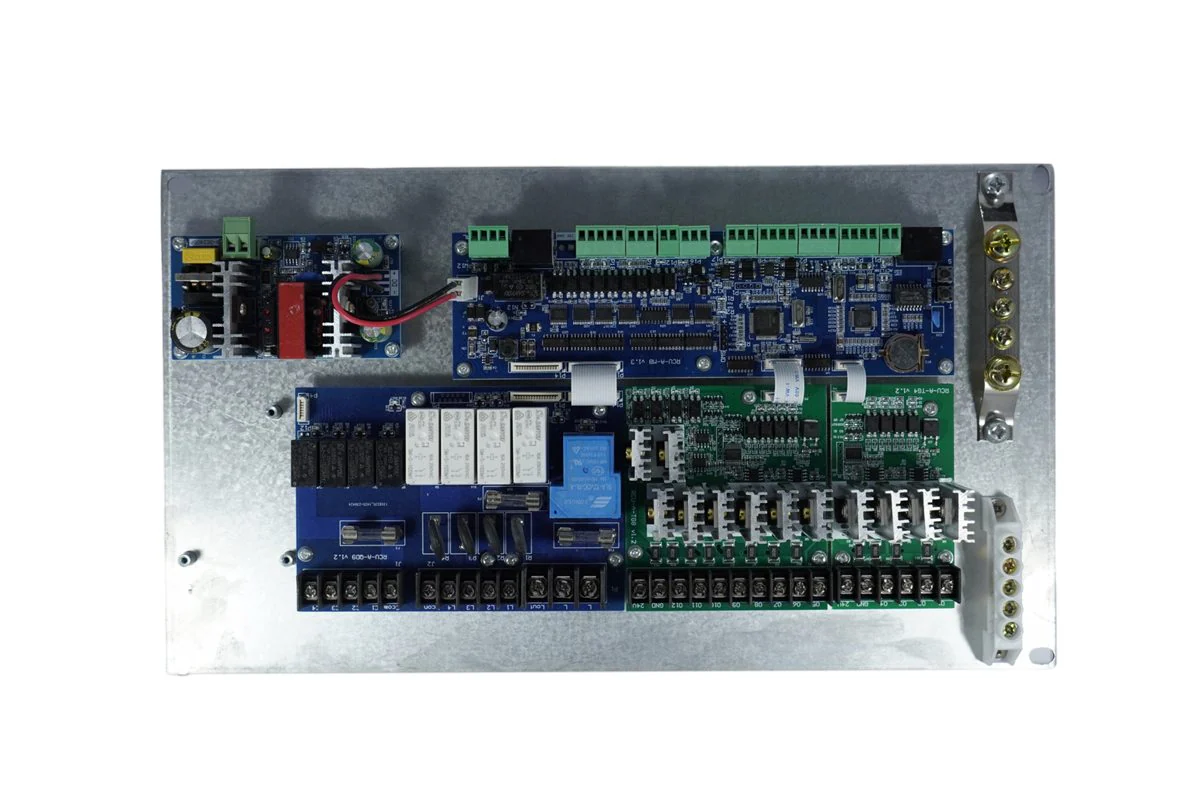
Product
Hotel Smart Room RCU Host 1
Room control host option for coordinating approved sensor and device logic.
View Product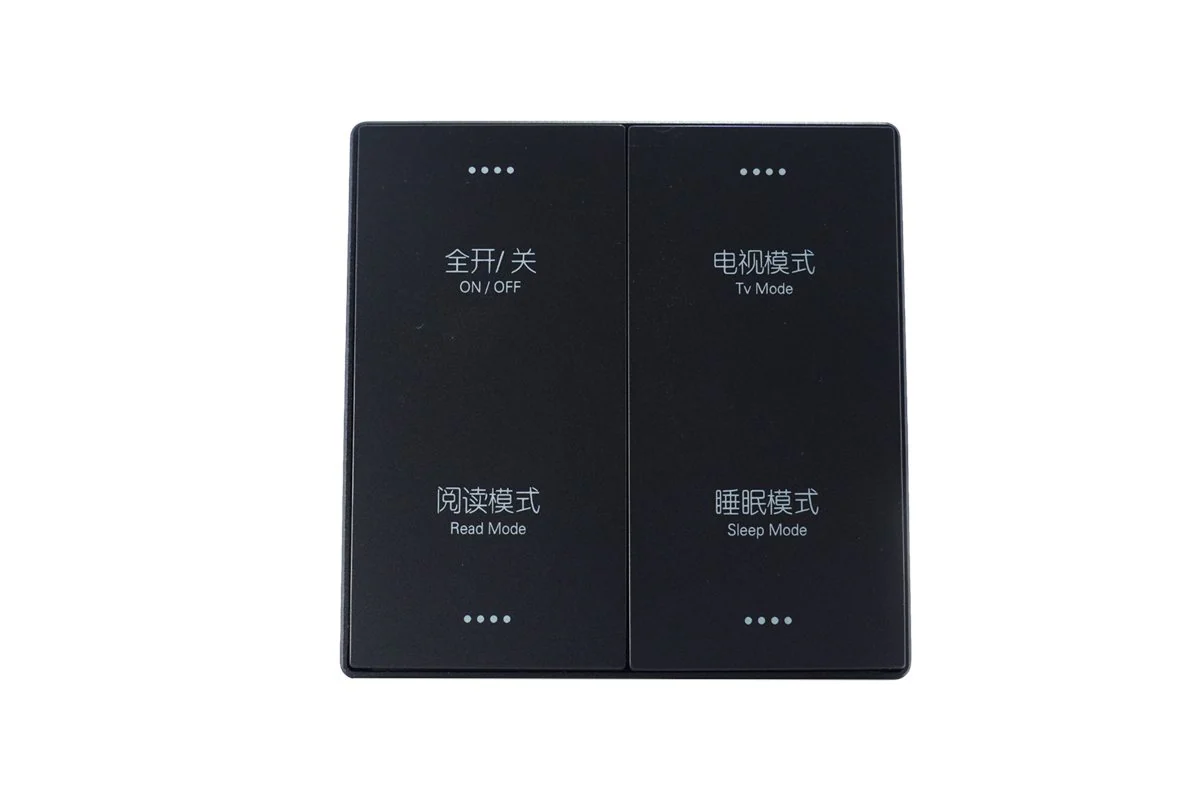
Product
Smart Four Key Scene Control Panel
Manual guest control interface that can coexist with automated room behavior.
View ProductProject planning
Relevant Solutions
Solution
Hotel Guest Room Control Solution
Coordinate occupancy inputs with lighting, HVAC, room status, curtains, and guest controls.
View SolutionSolution
Smart Hotel Automation Solution
Plan room and public-area automation logic across sensors, controllers, and operational workflows.
View SolutionResource library
Continue Reading
Hotel Renovation Smart Room Upgrade Guide
A renovation-focused guide for surveying existing guest rooms, defining an upgrade scope, reducing construction risk, and preparing a pilot before wider hotel deployment.
Read GuideHotel Guest Room Automation Guide
A project planning guide for hotel guest room automation, covering control functions, devices, application scenarios, documents, and inquiry preparation.
Read GuideHotel RCU Wiring and System Architecture Guide
A project-planning guide to RCU architecture, room-level devices, wiring responsibilities, integration boundaries, and the information buyers should prepare before engineering review.
Read GuideProject inquiry
Need help selecting a hotel control solution?
Tell us your hotel type, room count, target market, and required functions. We can recommend suitable control architecture, products, and OEM/ODM options for your project.
- OEM/ODM support by product series and project requirements.
- RCU and smart panel product selection support.